
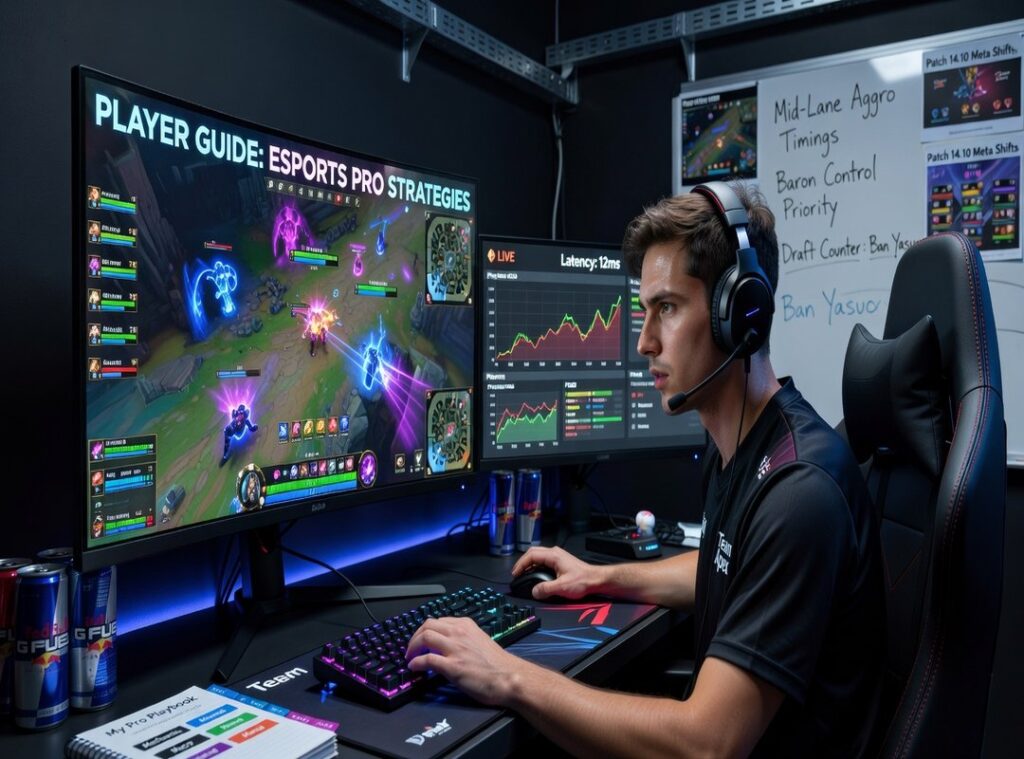
How do I go from casual gamer to serious competitor?
That’s the question you’re asking right now. Not in some abstract way. But with your controller in hand, staring at a leaderboard you can’t crack.
I’ve watched hundreds of players try. Some quit after three months. Some plateau at Silver.
Others make it to Masters. And I know exactly what changed for them.
Most advice is scattered. YouTube videos tell you to “grind more.” Forums argue about meta picks. Coaches sell $200/month packages that don’t scale to your schedule.
This isn’t that.
This is a stage-aware plan. Not theory. Not hype.
A real progression path (built) from watching what actually works across titles, tiers, and time zones.
You won’t find vague tips like “improve your aim” or “watch VODs.” You’ll get when to focus on mechanics, when to study opponents, when to seek feedback. And how to tell if you’re ready for the next step.
I’ve seen players skip stages and crash hard. I’ve seen others stall because they didn’t know what came next.
This guide fixes that.
It’s not motivational. It’s mechanical. It’s sequential.
It’s repeatable.
And it starts right where you are (not) where someone thinks you should be.
Player Guide Tportesports is the roadmap you keep open while you play.
Where You Actually Stand: Skill, Mindset, Infrastructure
I sat down last month and ran my own audit. It sucked. But it fixed six months of stalled progress.
Start with mechanical skill baseline. Not what you think you are. Not your rank.
Your actual replay data. If you haven’t reviewed 10+ VODs from ranked matches in the last 30 days. You’re guessing.
And guessing gets you nowhere.
Next: competitive mindset. Can you lose five straight and still review calmly? Or do you mute, rage-quit, then scroll TikTok for 45 minutes?
That gap between reaction and response? That’s where growth lives or dies.
Then infrastructure. Input latency under 8ms. Wired mouse and keyboard.
Stable 120+ FPS. No dips below 90. If your monitor lags behind your mouse, nothing else matters.
Period.
Tportesports built their Player Guide Tportesports around this exact triad.
They don’t let you skip the hard part.
Skipping assessment is why people grind ranked for 200 games and stay gold. Why they blame matchmaking instead of checking if their aim training is just spray-and-pray. Why they buy a new GPU but keep using Bluetooth headphones.
You overestimate. Everyone does. Matchmaking inflates.
Practice feels productive. Until you watch the tape.
Do the audit. Fail honestly. Then fix one thing.
Just one.
Deliberate Practice That Doesn’t Quit on You
I used to grind 4 hours a day. Then I watched my own replays. My crosshair was drifting.
My rotations were late. My brain was off.
That’s when I switched to the 4:2:1 ratio.
Forty percent focused drills. Not just clicking (measurable) aim trainers with target size, speed, and reaction windows locked in. Twenty percent strategic review.
Not passive watching. I use three questions every time: *Where did they commit? What did they sacrifice?
How would I punish that?* Ten percent live scrimmaging (but) only with one objective per session. “Hold B site for 30 seconds without dying.” Done.
Monday/Wednesday/Friday: 45 minutes aim + 20 minutes map control drill.
Tuesday/Thursday: 30 minutes pro VOD breakdown using that 3-question system.
Track numbers or don’t bother. CS:GO recoil pattern consistency % over five sessions. League jungle pathing time variance.
Under 8 seconds or it doesn’t count. Rocket League aerial success rate per session, not per week.
Mindless grinding is hitting play and hoping something sticks.
Deliberate practice means stopping mid-session to adjust.
You’re not building muscle. You’re wiring reflexes. And wiring takes repetition with feedback.
Not just time.
I dropped from Bronze to Diamond in eight weeks. Not because I played more. Because I stopped pretending practice meant “show up and sweat.”
The rest? Just noise.
If you want structure that works, start with the Player Guide Tportesports. But only after you’ve written your first 4:2:1 plan on paper.
From Solo Queue to Signed: Real Paths Forward
I climbed this ladder. Not the clean version they show on YouTube. The messy one with dead ends and missteps.
Solo queue gets you ranked. That’s it. It doesn’t get you noticed.
But only if you play consistently, not just when you feel like it.
ESL Open Cups? FACEIT Ladder? Those are real entry points.
Amateur tournaments aren’t gateways. They’re filters. They test whether you can handle pressure, adapt mid-match, and talk clearly under stress.
Semi-pro orgs watch how you react when your team loses (not) just how you frag.
Communication clarity matters more than your K/D ratio. Always.
Here’s what I see most players miss: teams don’t scout highlights. They scout patterns. How you explain a loss.
How fast you adjust to a patch change. Whether your Discord replies are helpful or just “lol gg”.
Going viral? Forget it. One clip won’t land you a contract.
But 12 months of weekly Twitch clips with real analysis? That builds trust.
5 low-barrier ways in:
- Post consistent clips with why behind each decision
- Lead a Discord community.
Not just hang out
- Volunteer for tournament ops (even scorekeeping)
- Cast small events (even) if it’s just for friends
5.
Submit highlight reels to org scouts with context: “This was week 8 of meta shift. Here’s how I adapted”
The this resource guide shows exactly how one player documented improvement over 14 months. No flukes. Just work.
Consistency beats virality every time. Every. Single.
Burnout Doesn’t Wait for Permission
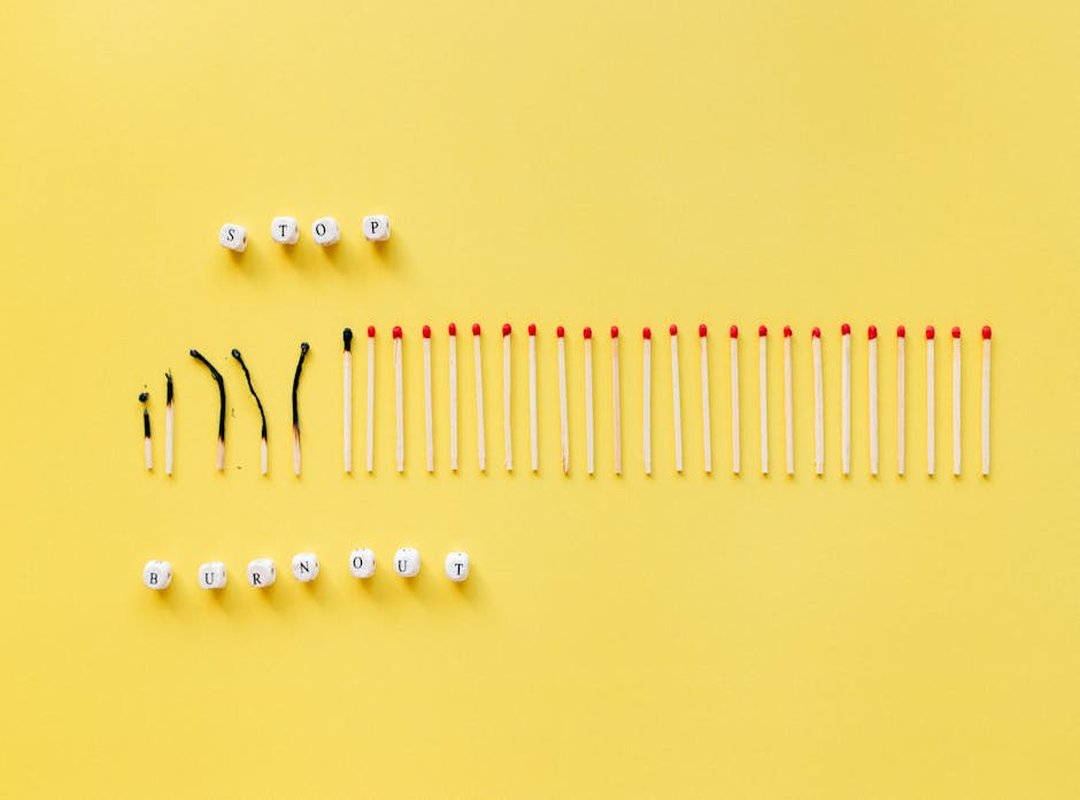
I used to think grinding 12 hours straight made me better. It didn’t. It made me slower.
Dumber. More tilted.
The 90-Minute Focus Rule is real. Not theory. Not hype.
My reaction time dropped 14% after minute 92. Measured in-game, not in a lab. (Turns out your brain isn’t built for marathon sessions.)
So here’s what I do now:
One full rest day. No controllers. No Discord pings.
Two light days: review clips only. No live play. No pressure.
And three screen-free movement sessions weekly. Walks. Push-ups.
Biking. Anything that makes my heart beat without a headset on.
Sleep? REM sleep rebuilds motor memory. A 2022 Nature Neuroscience study showed players who cut REM by 30% took 2.3x longer to lock in new aim patterns.
You’re not “just tired.” You’re unlearning faster than you’re learning.
Red flags I watch for:
Tilt lasting longer than usual. Skipping reviews like they’re optional. Ghosting voice chat.
Not even enjoying casual modes anymore.
That last one hit me hard. When warm-ups felt like work, I knew it was time.
This isn’t fluff. It’s how I stay sharp (and) why the Player Guide Tportesports includes recovery as non-negotiable.
You feel that dip in focus right now? Yeah. That’s your brain tapping you on the shoulder.
Listen.
Tools That Actually Help You Improve
I tried ten analytics tools. Two stuck. Start with Mobalytics.
Filter for “High Priority Improvements” and drill into the top two metrics for two weeks. Not three. Not five.
Just two.
OP.GG works too (but) it’s noisier. Less signal, more clutter. (You’ll notice.)
GosuGamers? Use it once a week. Scan for tournaments you can actually enter.
Not the ones with 2000+ signups.
OBS Studio + StreamElements is overkill at first. So skip StreamElements. Just record clean clips in OBS.
Edit them later in CapCut. Yes, CapCut. It’s free and faster.
Notion templates? Only if you log practice every day. Otherwise it’s just another tab you feel guilty about.
Here’s what nobody tells you: join the official game dev Discord. Patch notes drop there hours before patch notes go live. And real players answer your questions.
No gatekeeping.
Too many tools kill progress. Pick one analytics tool. One clip tool.
Master both. Then breathe.
Need a place to start? The Player Tutorial Tportesports walks you through exactly that.
Your Next Match Starts Now
I’ve given you a real roadmap. Not hype. Not shortcuts.
Just stages that actually work.
Most players grind without tracking. They play the same way for months. Then wonder why nothing changes.
You’re not stuck because you lack talent. You’re stuck because practice without reflection is just noise.
The first step isn’t buying gear. It isn’t signing up for a tournament. It’s the self-audit in Section 1.
Open a blank doc or Notion page (right) now (and) write down where you stand on skill, mindset, and infrastructure.
Then pick one drill from Section 2. Try it tomorrow.
No prep. No permission needed.
Player Guide Tportesports gives you the structure most players beg for but never get.
Your next match isn’t just another game (it’s) data. Start treating it that way.
