
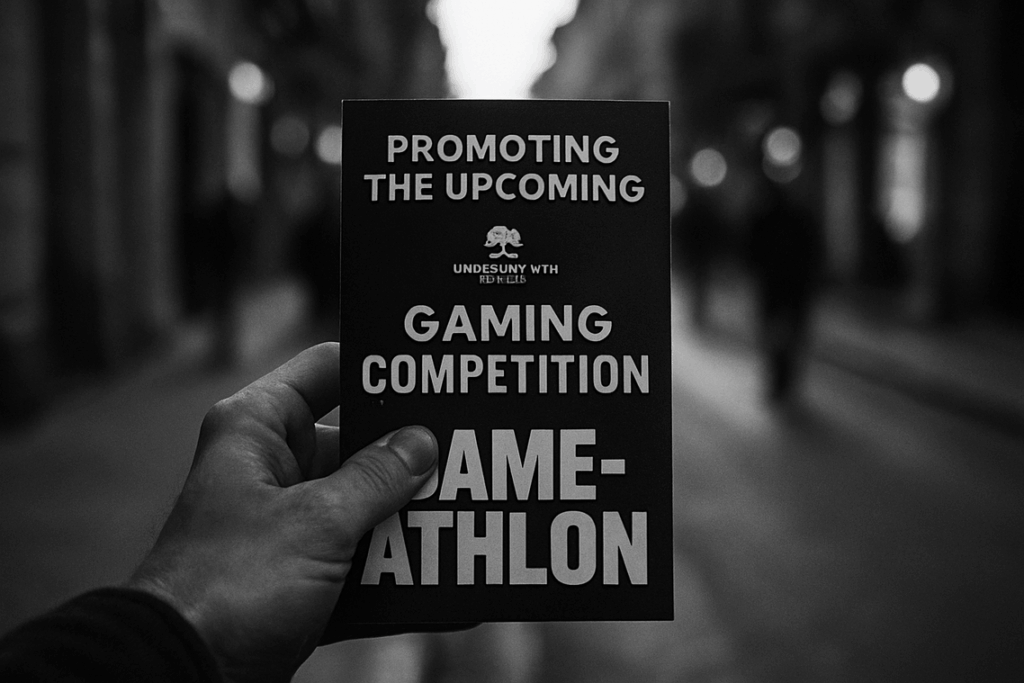
I’ve been covering esports for years and I can tell you this: most tournaments test one skill set.
You’re good at shooters? Great. Dominate at MOBAs? Awesome. But what if someone asked you to prove you’re actually the best gamer, period?
That’s exactly what Gameathlon from Undergrowth Games is here to do.
This isn’t another League tournament or another CS event. This is a multi-genre gauntlet that will push players across different game types to find out who really deserves the title of all-around champion.
I’ve broken down everything you need to know about this competition. The games they’re using. How the scoring works. What the prize pool looks like.
If you’re thinking about competing or you just want to understand what makes this different from every other esports event out there, you’re in the right place.
This is the most complete guide to Gameathlon you’ll find. I went through the rulebook, talked to people who know the format, and put together what matters most for players and fans.
Let’s get into what this competition is really about.
What is Gameathlon? Redefining Competitive Gaming
Most esports tournaments crown specialists.
You know the type. The player who’s spent 10,000 hours mastering one game and can execute frame-perfect combos in their sleep.
But here’s my take on that.
Specialization is impressive. It’s just not the whole picture.
Gameathlon flips that script. It’s a multi-stage competition that tests you across different games and genres. Think of it less like a traditional tournament and more like a decathlon where your League of Legends skills matter just as much as your ability to clutch a round in Valorant.
The format works like this. Players compete in different games across multiple rounds. Each performance earns points. The scores stack up and the most well-rounded gamer wins.
| Stage | Game Type | Skills Tested |
|——-|———–|—————|
| Round 1 | MOBA | Strategy & teamwork |
| Round 2 | FPS | Reflexes & aim |
| Round 3 | Fighting Game | Timing & adaptation |
| Round 4 | Puzzle/Strategy | Problem-solving |
What I love about this approach is simple. It rewards adaptability over muscle memory.
You can’t just grind one game for months and show up. You need strategy. You need reflexes. You need creativity when the game changes and your usual tactics don’t work.
The philosophy behind Gameathlon from UnderGrowthGames is pretty clear. They want to find the most versatile competitor out there. Not the best Fortnite player or the top Rocket League pro (though those skills help).
The best gamer. Period.
That’s a different question entirely. And honestly, it’s the question that matters if we’re serious about what competitive gaming can become. GrowthGameLine has been tracking this shift, and I think we’re just seeing the beginning.
The Arena: A Deep Dive into the Featured Games
You want to know what separates a casual player from someone who can actually compete?
It’s not just being good at one thing.
The gameathlon from undergrowthgames tests you across three completely different skill sets. Most tournaments pick one game and call it a day. This competition does something different.
I talked to one of the organizers last month and they put it pretty simply: “We wanted to find players who can adapt, not just grind the same mechanics for 500 hours.”
Makes sense when you see the lineup.
Stage 1: The Strategist’s Gambit
This is where you prove you can think ahead.
The game here is a turn-based strategy title that punishes reactive play. You need to plan three moves out while your opponent is doing the same thing. Every decision compounds.
What makes this stage work is the resource management system. You can’t just spam your best units. You have to balance economy with aggression, and one bad call in round two will haunt you by round five.
Stage 2: The Test of Reflex
Now we flip the script entirely.
Stage two drops you into a fast-paced FPS where hesitation gets you eliminated. No time to overthink. You either have the muscle memory or you don’t.
The map design forces constant movement. Camping doesn’t work here. You need clean aim under pressure and the awareness to track multiple threats at once.
One competitor told me: “I thought I was decent until I had to switch from chess-brain to twitch-shooter in 10 minutes. That transition is brutal.”
Stage 3: The Creative Puzzle
Here’s where it gets interesting.
Stage three uses an indie puzzle game that most people haven’t played before. No guides exist. No meta strategies to memorize.
You’re solving problems in real time with mechanics you just learned. The game rewards creative thinking over pattern recognition. Some puzzles have multiple solutions and finding the fastest one separates good players from great ones.
The Wildcard Challenge
The final stage stays secret until competition day.
Community voting determines the game two weeks before the event, but competitors don’t know which option won until they sit down. Could be a fighting game. Could be a rhythm game. Could be something nobody expected.
That unpredictability? That’s the point.
Rules of Engagement: How the Competition Works
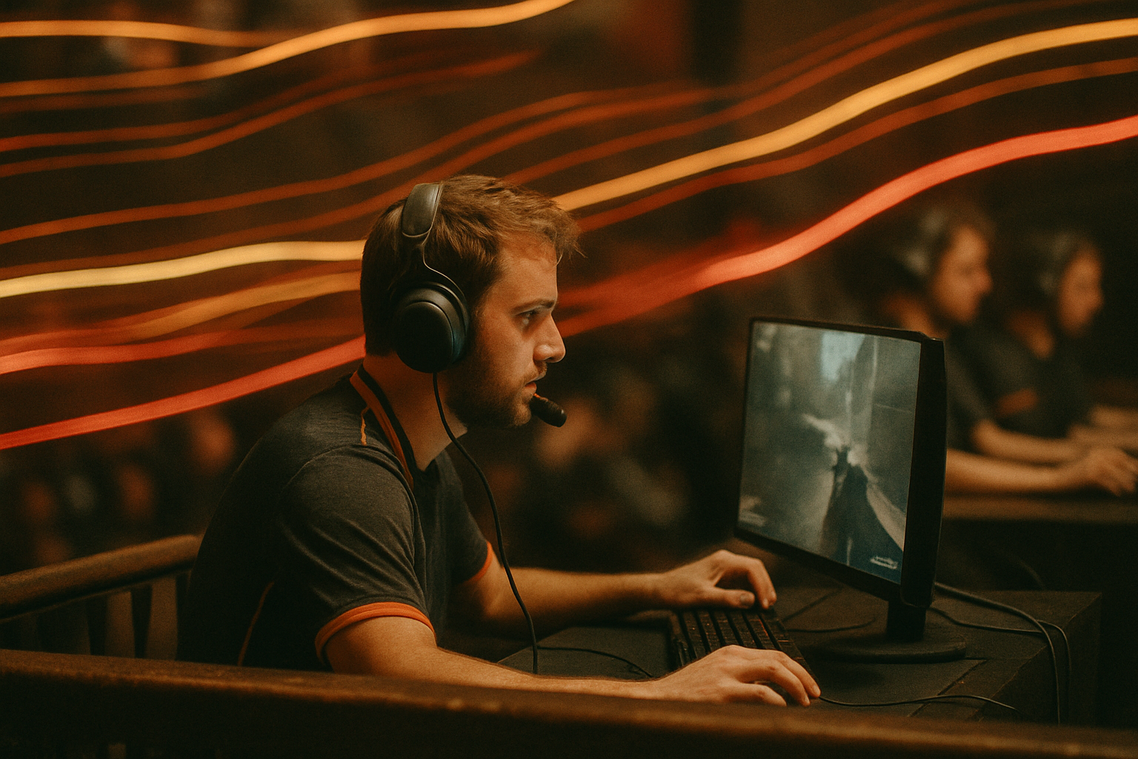
You’ve decided to enter. Now what?
Let me walk you through how gameathlon from undergrowthgames actually works. Because knowing the rules before you start can save you a lot of headaches later.
The Scoring System
Points stack up differently depending on which stage you’re in. Early rounds? It’s pure win/loss. You either advance or you’re out.
But once you hit the quarterfinals, things get more interesting. Your completion time matters. So does your in-game achievement count (think headshots, objectives captured, that kind of thing).
Who Can Actually Play
This isn’t a closed-door event. Anyone can register for the qualifiers. That’s the good news.
The catch? Regional servers matter. You need to compete in your assigned region during qualifiers. Once you make it to the main bracket, you’re playing on neutral servers.
No age restrictions. No entry fees. Just you and your skills.
What Happens If You Break the Rules
Undergrowth Games doesn’t mess around with cheaters. They use anti-cheat software that runs in the background during all matches.
Get caught using exploits or third-party tools? You’re banned. Not just from this tournament but from future events too.
Beyond that, they expect basic sportsmanship. Trash talk in chat is one thing. Harassment gets you disqualified.
Now that you know the ground rules, you’re probably wondering about practice schedules and team formation. I’ll cover that in the next section because when is gameathlon from undergrowthgames becomes important for planning your prep time.
The Victor’s Spoils: Prize Pool and Prestige
Let me break down what’s actually on the line here.
The total prize pool sits at $500,000. First place takes home $200,000. That’s real money that can change someone’s year (or honestly, their whole trajectory as a competitive gamer).
But here’s where it gets interesting.
Some people think cash is all that matters in tournaments. They’ll tell you the rest is just marketing fluff. And sure, money pays bills. I get that.
But they’re missing something big.
The winner also walks away with top-tier gaming hardware from sponsors. We’re talking custom rigs, professional-grade peripherals, and exclusive in-game content you can’t buy anywhere. Plus a trophy that’s actually worth displaying.
Now let me explain what really sets this apart.
This is the first-ever gameathlon from undergrowthgames. That means whoever wins isn’t just collecting a check. They’re writing their name into gaming history as the inaugural champion.
Think about it like this. You can win money at dozens of tournaments. But you only get one shot at being the first. Ever.
That title carries weight. It opens doors. Sponsors remember firsts. Fans remember firsts.
So yeah, the prize pool matters. But the prestige of being crowned that first Gameathlon Champion? That’s something you carry for your entire career.
How to Participate and Watch the Action
For Aspiring Competitors
Want in on the gameathlon from undergrowthgames?
Registration is live right now. Head to the official sign-up page and get your spot before slots fill up. The early qualifier deadline hits March 15th, so don’t wait.
For the Fans
You’ve got options here.
The main broadcast runs on Twitch through the official online gaming event undergrowthgameline channel. If you prefer YouTube, they’re simulcasting there too.
A few partnered streamers will also cover matches with their own commentary. Check the event page for the full list.
Key Dates
- Qualifiers: March 20-22
- Semifinals: April 5
- Grand Finals: April 12
Mark your calendar. You don’t want to miss when it all goes down.
The Dawn of a New Esports Era
You came here to learn about Gameathlon from Undergrowth Games.
Now you know what makes it different.
This isn’t another tournament where one skill set dominates. It’s a real test of versatility. The kind that separates good gamers from great ones.
The esports world needs this shake-up. We’ve watched the same formats play out for years while talent gets pigeonholed into narrow categories.
Gameathlon from Undergrowth Games changes that equation.
If you’re a competitor, the registration deadline is coming fast. Sign up and prove you’ve got what it takes across multiple disciplines.
If you’re a fan, mark your calendar. You’ll want to watch this unfold live.
This event will crown someone who can truly claim the title of ultimate gamer. That’s not something you see every day.
Don’t sleep on this one. Whether you’re playing or watching, Gameathlon from Undergrowth Games is the event that matters right now.
