
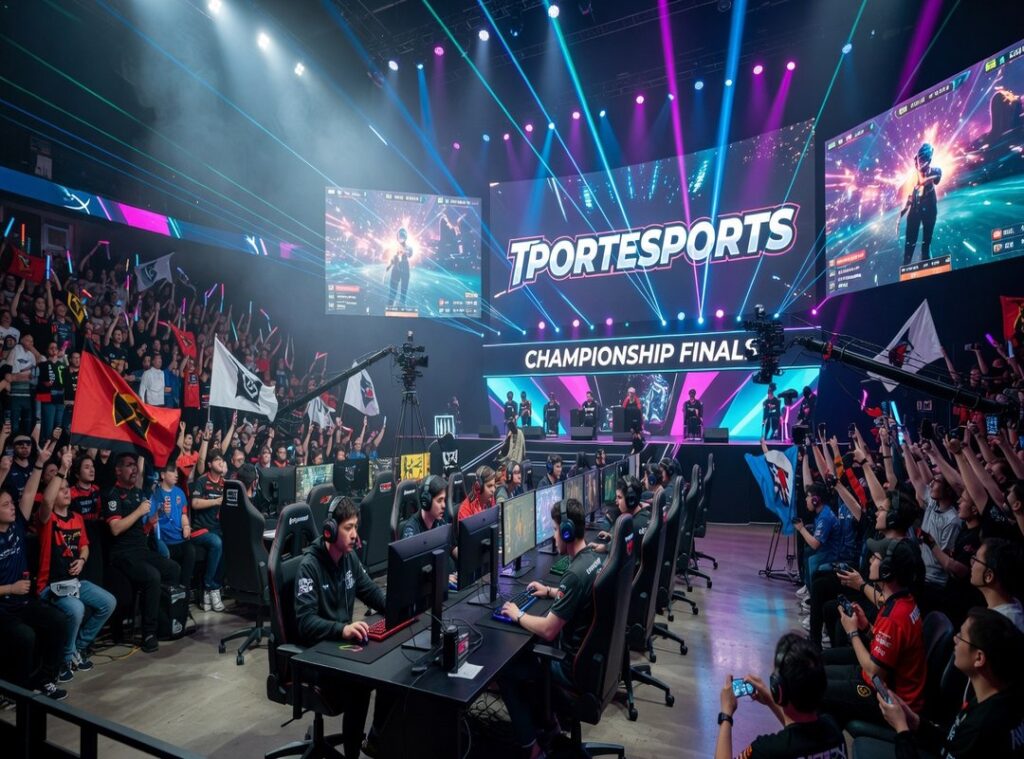
You’re watching a live final. The arena shakes. Ten thousand people scream.
A single play decides $2 million.
Then you switch tabs. You’re in an online qualifier. Headphones on.
No crowd. Just your heartbeat and a countdown.
That whiplash? That’s the real world of competitive gaming events.
I’ve watched every major tournament from the inside. Not just the streams, but the backend chaos. The scheduling nightmares.
The last-minute roster swaps. The sponsor calls that change everything 48 hours before lock-in.
League of Legends. Dota 2. CS2.
Valorant. I know how each one actually runs. Not what the press release says, but who signs the checks and who gets cut when budgets shrink.
You’re here because you want to compete. Or you’re trying to tell if an event is legit. Or you’re tired of guessing why some tournaments pay out and others vanish.
This guide explains how Tportesports works. No fluff, no hype, no vague promises.
Who organizes it. How players get in. Why prize pools look the way they do.
I’ve sat in those production meetings. I’ve seen the spreadsheets. I’ve talked to the ops leads who fix the server crashes at 3 a.m.
What you’ll get: clarity. Not commentary. Not theory.
Just how it actually happens.
How Competitive Gaming Events Actually Work
I’ve watched teams get eliminated in qualifiers and win worlds. It’s not random.
It starts with open qualifiers. Anyone can sign up. You show up, play, and hope your internet holds.
Most don’t make it past day one. (My friend lost to a guy named “xXSniperGodXx” on a 20ms ping spike.)
Then come closed qualifiers (invite-only.) Better players. Tighter matches. Fewer memes.
More stress.
After that? Regional leagues. Think LEC or VCT Challengers.
These feed into international majors like Masters or The International. That’s where the real money and hype live.
Tportesports covers this structure well (especially) how smaller events ladder up.
FaceIt and Battlefy host lower-tier online cups. Community-run events? They’re scrappy, passionate, and often underfunded.
Riot runs VALORANT’s circuit. Valve handles Dota. ESL and BLAST run big LANs.
(They also break more often.)
Swiss format is for early stages (fair) matchmaking without early elimination. Double-elimination gives teams a second life. Single-elimination?
Pure chaos. Used for finals because someone has to lose fast.
Scheduling matters. Weekly scrims burn out rosters. Monthly qualifiers let teams adapt.
Seasonal circuits force long-term planning (and) roster swaps.
Do you really think teams practice the same way for a Swiss qualifier vs. a best-of-five grand final?
They don’t. And neither should you.
Who Pays for Esports (And) Why You Should Care
I’ve watched teams get paid late. I’ve seen prize pools vanish after a sponsor backs out. And I’ve watched players sign contracts that say “revenue share” but never define revenue.
Publisher money funds most big tournaments. They care about game health. Not just profit.
That’s why you see consistent rules and long-term support. (It’s also why they sometimes ignore player feedback.)
Sponsors? Hardware brands, energy drinks, crypto projects. They want eyeballs.
Not fairness. Their deals push metrics over integrity. Viewership spikes.
Player burnout follows.
Media rights deals are murky. Big platforms pay for exclusivity. But do players see any of that cash?
Rarely. And when they do, it’s buried in league agreements no one reads.
Ticket and merch revenue? Mostly goes to organizers. Players get appearance fees.
If they’re lucky. Prize splits exist, but base salaries? Still a gamble.
Tportesports is one of the few pushing transparency on payout timelines.
Red flags? Vague eligibility terms. No published payout schedule.
Contracts that let organizers change rules mid-season.
Geopolitics mess with payments too. A team in Nigeria can’t always receive crypto. A squad in Iran gets blocked from PayPal.
That’s not logistics. It’s exclusion.
Ask yourself: Who benefits when your tournament ends? Not just who wins. Who keeps winning.
I wrote more about this in Difference between gamer and player tportesports.
Year after year?
How to Actually Get Into Real Competitive Gaming Events

I entered my first legit tournament in 2019. Forgot to verify my Steam ID two days before match day. Got disqualified.
Not fun.
Here’s what actually works now (no) fluff, no gatekeeping.
Liquipedia is your first stop. It’s updated daily and crowdsourced by people who live this stuff. Esports Charts shows prize pools and viewership.
Helps you spot which events are serious, not just hype. Go straight to the official game esports portal (like League’s LEC site or VALORANT’s VCT page). They list qualifiers, dates, and region locks (no) middleman.
Discord communities? Yes (but) only the verified ones with mod teams and pinned rules. Toornament still works for smaller titles, though some of its UI feels like it hasn’t been touched since 2016.
Registration deadlines hit fast. Set calendar alerts (not) just one, three: 7 days out, 48 hours, and 2 hours before lock. Roster verification means government ID and platform-specific permissions.
(It hasn’t.)
Yes, really. Hardware checks? Do them before you submit.
Test your mic, stream delay, and anti-cheat logs. Not during warmup.
Two weeks out:
Scrim every other day. Review VODs for one thing only. Like crosshair placement or ult timing.
Don’t try to fix everything. Patch notes? Focus on balance changes that hit your main role.
Ignore the rest.
Missing documentation is the #1 reason amateurs get bounced. Region-lock mistakes? I’ve seen teams forfeit because they misread “NA East” as “North America.”
Before you register:
- Government ID scanned and ready
- Signed team agreement (even if it’s just a Google Doc)
- Platform permissions granted (Steam, Riot, Epic. All of them)
- Stream audio tested with OBS and Discord simultaneously
- Time zone converter open and pinned
- You’ve read the Tportesports eligibility page twice
What Makes a Gaming Event Worth Your Time (Really?)
Prize money lies. I’ve seen $10K tournaments with zero scouts in the Discord. Zero.
What matters instead? Verified performance data. That’s your resume now. Not your win rate on Reddit.
Not your self-reported stats. Real logs. Timestamped.
Reviewed.
Top finishes in Tier-2 events get more eyes than random wins in sketchy cups. Orgs watch consistency. They watch how you handle pressure in sanctioned matches.
Not just whether you won.
You meet people who hire. Not just players (coaches,) analysts, casters. Official post-event Discord channels stay open for weeks.
Some run workshops. Others host 1:1 feedback sessions. Skip those and you skip use.
Inclusivity isn’t optional. If an event doesn’t offer colorblind modes or live captioning, it’s not pro-grade. If their anti-harassment record is murky?
Walk away. Fast.
Predatory events charge $50 to enter and hide judging criteria behind “discretionary panels.” Legit ones publish rules before registration. Always check.
Tportesports runs one of the few circuits that posts every match replay and judge scorecard publicly. No gatekeeping.
You’re building a career. Not just playing a game. So ask yourself: Does this event give me proof (or) just hope?
Your First Match Is Already Waiting
I’ve been there. Staring at Liquipedia. Wondering if this event is real.
Or just another dead end.
You don’t need more theory. You need to do something that counts.
So let’s cut the noise. Three filters only:
Clear rules? Check.
Past events actually happened? Check. Someone answers questions when you ask?
Check.
If it fails one. Walk away. No exceptions.
Right now, pick one qualifier listed this week. Verify your eligibility. Submit your roster.
Even if it’s just to test the form.
It takes 12 minutes. Less than a coffee break.
Your first match isn’t about winning (it’s) about claiming your place in the space.
And Tportesports is where that starts.
Go check Liquipedia. Do it today. Not tomorrow.
Not after “I’m ready.”
Now.
