

Know the Meta, Play Smart
Keeping up with the current meta isn’t optional if you’re aiming to rank up it’s essential. The game is always evolving, and staying informed gives you a competitive edge that many players overlook.
Stay Updated with Patches and Tier Lists
Game patches often shift power dynamics overnight. One day your favorite weapon or ability is top tier; the next, it’s nerfed into irrelevance.
Monitor official patch notes regularly
Follow trusted content creators, analysts, or tier list updates
Know which weapons, characters, or roles are rising or falling in popularity
Understand What’s Dominating Ranked Play
The meta isn’t just about stats it’s about strategy. Recognize what top players and teams are consistently using to win.
Study pick rates and win rates in ranked modes
Observe high ELO gameplay to identify emerging tactics
Learn why certain strategies work not just what they are
Adapt Based on What’s Actually Winning
Knowing the meta isn’t enough you need to integrate it into your own game intelligently.
Adjust your strategies based on what’s most effective now not what used to work
Be flexible: shift roles or styles if your current approach isn’t cutting it
Counter the meta when possible, but don’t ignore it entirely
Bottom line: The best players don’t fight the meta they stay a step ahead of it.
Master Map Knowledge
If you don’t know the map, you’re already playing from behind. Ranked matches are won by the players who treat the map like familiar terrain, not uncharted territory. Your first priority should be learning callouts, so communication with your team is dead simple and to the point. From there, figure out rotations how enemies move from point A to B, and how you can get ahead of them without being caught off guard.
High traffic zones are more than just hotspots they’re predictable pressure points. Understand where fights happen and use that to position smarter. Vantage points let you survey and control. Hiding spots let you reset or delay. Mobility shortcuts think zip lines, ladders, jump ups give you options other players miss. Knowing where to go, and how to get there fast, keeps you alive longer and your team coordinated.
Don’t just aim. Pre aim. Most gunfights are won by milliseconds, and lining up crosshairs on common enemy entry points saves you those milliseconds. Stack that advantage with anticipation if your enemy just wiped your B site guy, chances are they’re pushing hard. Be there, be ready, and don’t waste time guessing.
Build Loadouts That Fit Your Role
One size fits all doesn’t work in ranked play. Your loadout should reflect your role, your game sense, and your strengths not whatever the top streamer is using this week.
Prioritize Flexibility and Efficiency
To perform consistently across matches, your gear should support multiple in game situations. Whether you’re defending, flanking, anchoring, or supporting, your setup should enable you to react quickly and capitalize on opportunities.
Select weapons that complement your preferred range and movement style
Choose attachments and perks that reinforce your tactical approach
Align grenades and armor with your map control strategy
Think Beyond Copy Paste Builds
Just because a loadout is “meta” doesn’t mean it fits you. Blindly copying pro builds without adjusting for your strengths or your team’s composition often leads to inconsistent impact.
Ask yourself:
Does this loadout suit my preferred pace (aggressive or strategic)?
Am I able to consistently execute with this setup under pressure?
Does it fill a gap on my current team?
Dive Deeper Into Loadout Optimization
For a more advanced breakdown of how to shape a loadout that elevates your specific skills:
How to Build Effective Loadouts in FPS Games
This guide offers role specific advice, gear comparisons, and real loadout examples used in competitive scenes. Perfect for players aiming to refine their setups with precision.
Communicate Like a Pro
Your mechanical skill gets you in the match. Your communication wins it.
Start with callouts. Keep them clean. Say where the enemy is, what they’re doing, and what’s needed. Skip the filler no one has time for a story mid round. Instead of “I think there might be someone behind the containers near A site,” say, “One A long, behind green.” You save time, you save lives.
If you’re playing without voice chat, get good with pings. Not just random spam use the in game system the way it’s meant to work. Ping enemies, objectives, or paths. It’s your non verbal weapon. Treat it that way.
Last: Learn your squad’s rhythm. Some teams steamroll, others pick and poke. If you’re the lone wolf in a team of turtles, you’ll lose every push. Watch, listen, adapt. A strong communicator doesn’t just talk they sync. And synched teams win.
Learn to Make Plays Not Just Kills
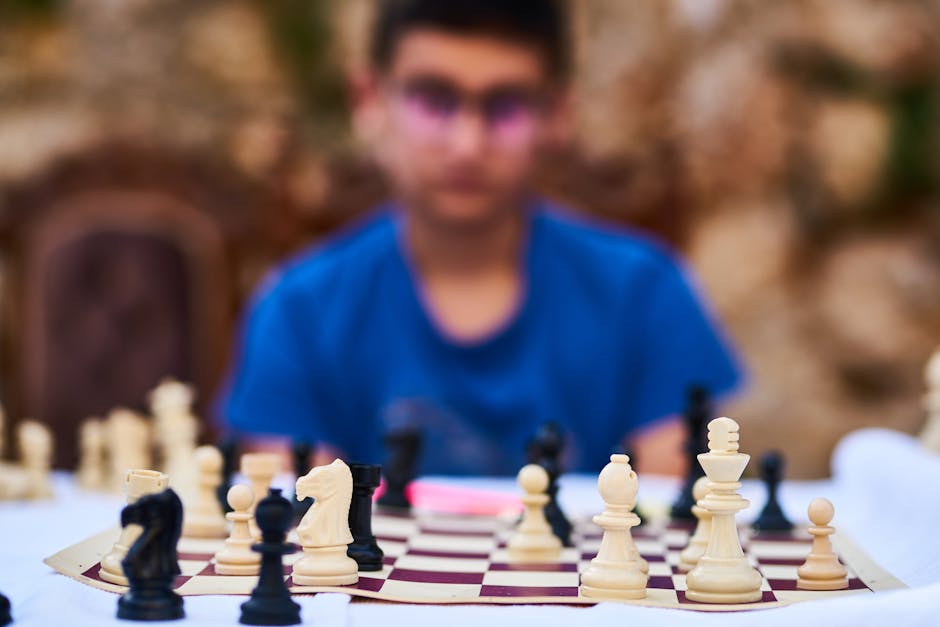
Kills might fill the scoreboard, but they don’t always win matches. Smart players know that map control often matters more than fragging. Holding key areas, cutting off choke points, and forcing enemy rotations gives your team the upper hand without relying on flashy highlight reels.
Ranked games reward control and coordination over chaos. That means actually playing the objective, even when it’s not the most glamorous job. Holding a zone, escorting a payload, planting the spike whatever the goal is, focus on it. You’re not in a pub match. Winning in ranked takes strategy, not ego.
The harsh truth? Most high rank players aren’t the best shots in the lobby. They’re the ones making better decisions. They rotate smart, read the map like a book, and track enemy habits over time. They pick their fights and know when to back off. It’s brains over aim and that’s what turns a good player into a ranked climber.
Warm Up with Purpose
You wouldn’t jump into a tournament without warming up ranked matches deserve the same respect. Target tracking, reflex drills, and micro adjustment exercises sharpen the edge before you even load in. Whether it’s a custom aim trainer, DM lobby, or bot scrim, those first few minutes reset your hand eye sync and reaction timing.
Cold queuing is asking to get outpaced early. Most top tier players don’t skip a warm up. They prep like competitors, not casuals. Ten to fifteen minutes of focused work flick drills, crosshair placement routines, or just a methodical DM can set the tone for the rest of the session. You don’t need to grind for hours, just prime your system.
Show up sharp. Your rank depends on it.
Adapt Mid Match
The best competitive players don’t cling to comfort they flex. If your team’s comp is lopsided, step into the role that’s missing. It won’t always be fun, and it won’t always be pretty, but balance wins games. A selfish pick can wreck synergy, while a smart pivot can keep everyone firing on all cylinders.
Mid match, the key is reading the room. What’s the enemy doing over and over? Where are they rotating? Who’s their carry, and who’s lagging? Track patterns, exploit weaknesses, and change your own play before they counter you. The ones who adapt fastest usually control the endgame.
And finally awareness. Sounds simple. It’s not. High ranked players aren’t only better shots; they process more information. Teammate positions, enemy ult economy, flank risks, timing gaps they see it all. Low ranked players react. High ranked players anticipate. That’s the line drawn in every heavy match.
Save, Spend, and Rotate Smart
A well timed flashbang wins more rounds than raw aim ever will. If you’re burning your resources ultimates, economy, utility on impulse or to pad stats, you’re playing short sighted. Top players know the difference between a panic pop and a momentum shifting push. Ranked matches are long form battles. Think survival and pressure, not just flash and glory.
Know your team’s economy. Use big ultimates to break key rounds, not early throwaways. Hold off using utility if the value isn’t guaranteed. Rotate tools in sync with your squad, and keep count of enemy cooldowns. The best plays often come from holding back until the moment’s right not from rushing in with everything blazing.
Some of the worst ranked losses boil down to mistimed resources. Don’t be the player who tosses the win because you couldn’t sit on your smoke for ten more seconds. Smart conservation flips momentum, creates clutch setups, and punishes greedy teams chasing early dominance.
Queue with Intention
There’s no perfect way to climb. Solo queue teaches self reliance. You learn to make fast decisions, anchor your team when everything’s falling apart, and carry your weight without relying on others. But it’s not always efficient. Duos or trios? That’s where real coordination happens. Shared callouts, synced rotations, and someone watching your blind spots that’s how you build consistent momentum.
Still, none of it matters if you tilt. Everyone hits losing streaks. What separates rank climbers from rage quitters is control under pressure. If you drop a match, reset. Staying calm keeps your tempo steady and ranked is a long game.
Which brings it home: it’s not about hot streaks. It’s about playing clean, again and again. Rankings reward consistency. Players who show up, adapt, and grind smart over weeks not those who win five and disappear.
Plan your queue like you train. Intentionally. That’s how long term rank sticks.
Review and Reflect
Grinding match after match without stopping to think is how players hit a wall. Progress doesn’t come from volume it comes from clarity. Rewatching your own gameplay, even just short clips, gives you the data most players ignore. You’ll start to see patterns: bad habits you repeat under pressure, areas on the map you neglect, moments when you push too soon or hold too long. These are the things that slow you down.
Instead of just logging hours, start logging insights. After each session, clip out 2 3 plays good or bad and ask why they happened. What worked? What didn’t? This turns autopilot into purpose. If you’re serious about improving, this is non negotiable.
At the higher ranks, performance isn’t just mechanical it’s deliberate. The players climbing fastest aren’t the ones with the most kills. They’re the ones asking better questions. Results follow intent.
