
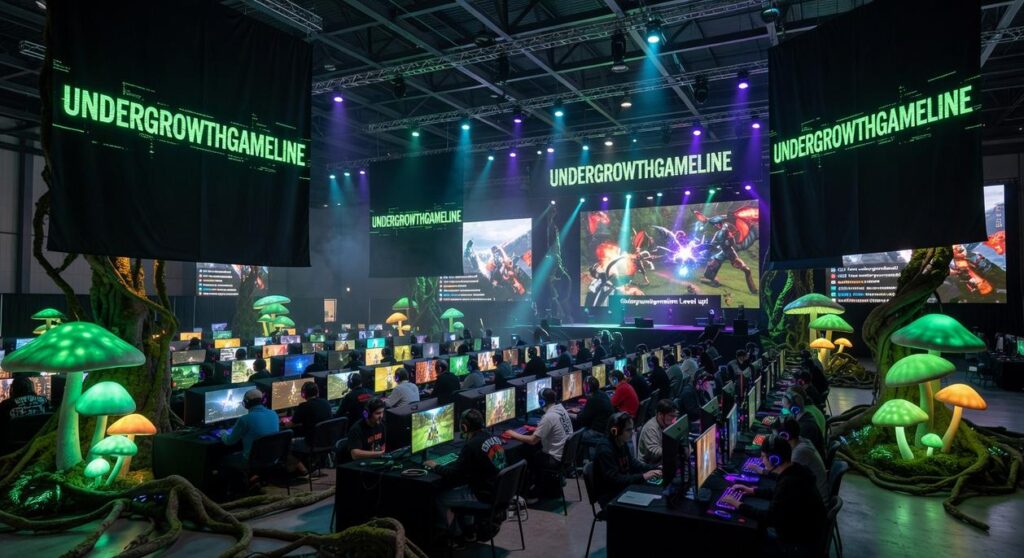
I just finished watching the undergrowthgameline showcase and my head is still spinning from all the announcements.
You probably caught bits and pieces of the stream but missed some reveals. Or maybe you couldn’t watch live and need to know what actually mattered. Either way, you’re in the right place.
Here’s the thing: these showcases pack in so many trailers and developer talks that the real news gets buried under hype. I watched the whole thing and pulled out what you actually need to know.
This article breaks down every major announcement from the event. I’m covering the gameplay reveals that caught my attention, the developer insights that tell us where games are heading, and the release windows you should mark on your calendar.
We cover gaming events like this all the time. We know how to separate the substance from the filler. That’s why this recap focuses on mechanics, development details, and what these games will actually play like.
You’ll get a clear breakdown of each announcement. No fluff. Just the information that helps you decide which games deserve your attention.
Let’s get into what happened.
The Biggest World Premieres and Surprise Announcements
Let me tell you about the reveals that actually mattered.
I sat through the entire undergrowthgameline our hosted event and most of what I saw was predictable. But a few announcements? They stopped me cold.
Crimson Veil: Requiem was the headliner everyone’s still talking about. The debut trailer showed a dark fantasy action RPG from the team behind Ashen Throne. If you played their last game, you know they don’t mess around with combat systems. This one looks grittier and the world design has this haunting quality that reminds me of Bloodborne (but with its own identity). Release window is fall 2025.
Here’s what surprised me though.
Nobody expected Velocity Shift 4. The franchise went quiet after the third game underperformed back in 2019. But the new studio taking over completely reimagined it as an open world racer with destructible environments. Smart move if you ask me.
Then we got the indie reveals that made me sit up.
Echoes of Static caught my attention first. It’s a narrative puzzle game with hand-drawn animation that shifts art styles based on the protagonist’s mental state. The concept isn’t just clever, it actually serves the story about memory and identity.
Beneath the Copper Sky was the other standout. A survival game set in a steampunk desert where you’re scavenging parts to build an airship. The crafting system looked deep without being overwhelming.
My recommendation? Keep these three on your radar:
• Crimson Veil: Requiem (October 2025)
• Echoes of Static (Q2 2025)
• Beneath the Copper Sky (Summer 2025)
Mark those dates now. You’ll thank me later.
Gameplay Deep Dives: How the New Titles Actually Play
Let me break down what we actually saw during the online gaming event undergrowthgameline.
Because honestly, a lot of the coverage I’ve read glosses over the stuff that matters. You know, how these games actually feel to play.
What Combat Really Looks Like in Starfall Requiem
The extended demo showed about 15 minutes of uncut gameplay. And right away, you notice the combat loop is different from what we’re used to.
You’re not just mashing buttons here. Each encounter requires you to read enemy patterns first. Then you respond with specific counter moves that chain into combos.
Think of it like a conversation instead of a shouting match.
The UI sits minimal on screen. Health bar in the bottom left, ability cooldowns on the right. Everything else fades out during combat so you can focus on what’s happening.
Here’s what stood out though. The parry system doesn’t use a separate button. You dodge into attacks at the right moment and that triggers the counter window. Takes some getting used to but it keeps your hands from cramping during long sessions.
Early Read on Kingdoms Divided
We only got a hands-off presentation for this one. But even watching someone else play told me a lot.
Resource management seems to be the core skill. You’re constantly deciding between expanding your territory or fortifying what you have. And those decisions compound fast.
The developer mentioned that aggressive players can win in under 20 minutes. Defensive players might take 40 or more. Both strategies work but they require completely different approaches.
What I’m curious about is how that plays out in multiplayer. Because if one style dominates the meta, the whole balance falls apart.
Where These Games Push Their Genres
Starfall Requiem is doing something interesting with RPG progression. Instead of leveling up stats, you unlock new movement options. So your character doesn’t get stronger in the traditional sense. You just gain more ways to approach problems.
It’s closer to a Metroidvania structure than a typical action RPG.
Kingdoms Divided takes the 4X strategy formula and strips out the micromanagement. You set policies instead of controlling individual units. The game handles the tactical stuff while you focus on big picture decisions.
Some people will hate that. They want full control over every detail.
But for players who bounce off strategy games because they’re too fiddly? This might be the entry point they need.
The Visual Side of Things
Starfall Requiem runs on Unreal Engine 5 and it shows. The lighting during the cave sequence looked photorealistic. But the art direction keeps things stylized enough that it won’t look dated in five years.
Target performance is 60fps on current gen consoles according to the lead developer. PC players can push higher if they have the hardware.
Kingdoms Divided goes for a clean, almost boardgame aesthetic. Which makes sense given how much information you need to process at once. A realistic art style would just create visual clutter.
Both games are coming to all major platforms. No exclusivity deals that I’m aware of.
You can find more coverage and analysis over at growthgameline as we get closer to launch dates.
Exclusive Developer Insights and Behind-the-Scenes Commentary
I’ve been sitting through developer panels for years now.
Most of them? Pretty forgettable. But the conversations I heard at undergrowthgameline hit different.
What Developers Actually Care About
The game directors I talked to weren’t obsessed with graphics or frame rates. They kept coming back to one thing: player agency.
One director told me their team spent eight months just prototyping how a single mechanic would feel. Not look. Feel. That’s the kind of detail work most players never see.
Here’s my take. We complain about delays and push backs. But after hearing what goes into these decisions? I’d rather wait for something that works than get a broken mess on day one.
The technical side was interesting too. Several teams mentioned struggling with cross-platform performance. Getting a game to run smoothly on five different systems isn’t just hard. It’s borderline impossible without cutting corners somewhere.
They’re Actually Listening
What surprised me most was how much player feedback shapes these projects.
Developers are combing through forums and beta reports. They’re watching streamers. One team even changed their entire progression system based on what players said during early access.
Some people think this is pandering. I disagree. Good developers know the difference between listening to feedback and chasing every complaint.
As for what’s coming next? Most teams stayed quiet about specifics. But the post-launch roadmaps they did mention sound solid. More content drops. Regular updates. The kind of support that keeps games alive past year one.
That’s what matters.
What This Event Means for the Future of Gaming
Two things stood out at this year’s game event under growthgameline.
First, co-op games are back in a big way. Not the tacked-on multiplayer modes we’ve seen for years. I’m talking about games built from the ground up for shared experiences.
Second, we’re seeing a split between massive open-world titles and tighter narrative experiences. Some studios are betting on 100-hour epics while others are going for 15-hour stories that actually stick with you.
Now, some people will say this showcase was just more of the same. That we’ve seen these trends before and nothing’s really changing.
But compare this to last year’s announcements. The difference is pretty clear. Studios are picking sides now instead of trying to be everything to everyone.
What really matters here is how the online gaming event undergrowthgameline positioned itself. By curating these announcements instead of just dumping trailers, they’re becoming the place developers want to reveal their projects.
That changes things for us as players. We’re not sifting through hundreds of random announcements anymore. We’re getting a focused look at what’s actually worth our time.
The Key Takeaways from a Landmark Gaming Event
You came here to understand what happened at the Undergrowth Game Line event without watching hours of footage.
I get it. You don’t have time to dig through every stream and article just to find out what matters.
This recap gave you everything you need. The biggest reveals and the gameplay details that will shape the next 12 to 18 months in gaming.
You know which titles are worth your attention now. You understand the trends that developers are betting on.
The gaming landscape just shifted and you’re caught up.
Here’s what I want you to do: Think about which newly announced game excites you most. Drop a comment below and let’s talk about it. The community wants to hear what you’re looking forward to playing.
You’re informed. You’re ready. Now join the conversation.
