
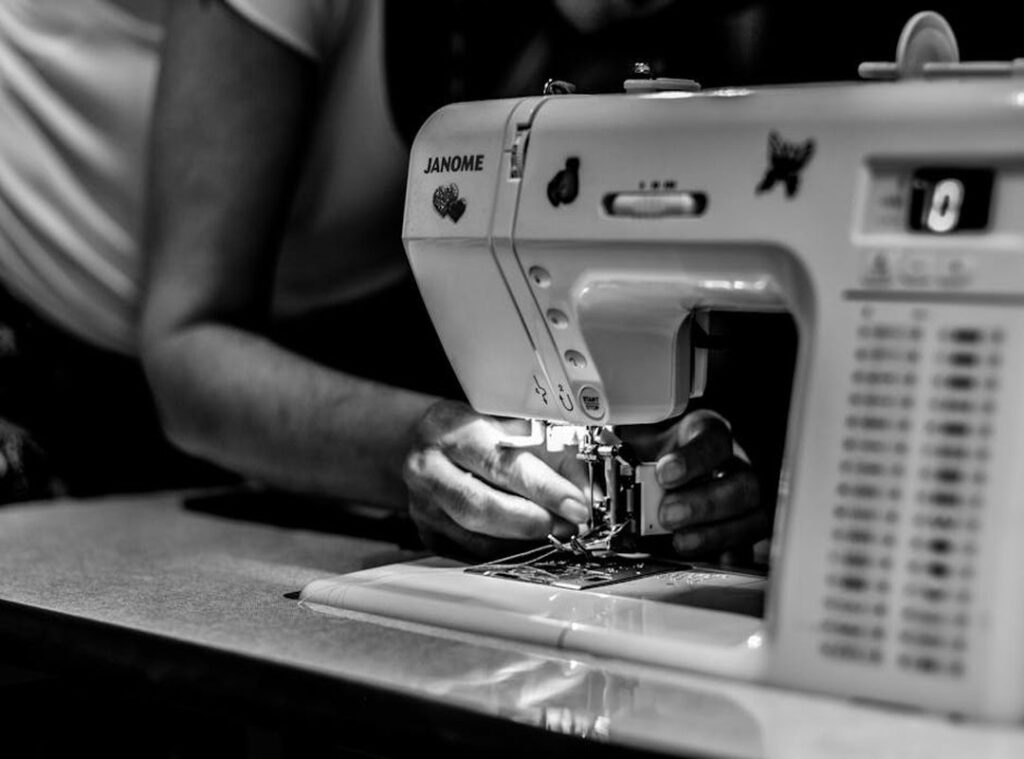
Colorful stitching design can be a real game changer. But let’s be honest, it’s not always easy to get it right.
I’ve seen so many crafters and designers struggle with making their projects look visually appealing. Sometimes, the colors clash or the design feels disjointed.
Why does this happen, and well, there are a few reasons. One is that not everyone understands the basics of color theory.
Another is that they might not know the right techniques for stich stitch de colorat.
This article will guide you through the process. We’ll cover everything from choosing the right colors to creating unique and stunning designs.
So, if you’re ready to take your stitching to the next level, keep reading. Trust me, I’ve been in this field long enough to know what works and what doesn’t.
Let’s dive in.
Understanding Color Theory in Stitching
When it comes to stitching, color is like the seasoning in a recipe. It can make or break your design, and let’s start with the basics.
Primary colors are red, blue, and yellow, and think of them as the building blocks. Secondary colors—green, orange, and purple—are what you get when you mix two primary colors.
Tertiary colors, like red-orange or blue-green, come from mixing a primary and a secondary color.
Now, imagine these colors as musical notes. When they’re in harmony, they create a beautiful melody. That’s where color schemes come in.
Complementary colors, like red and green, sit opposite each other on the color wheel. They create a vibrant, high-contrast look. Analogous colors, such as blue, blue-green, and green, are next to each other.
They give a smooth, cohesive feel. Triadic colors, like red, yellow, and blue, form an equilateral triangle on the color wheel. They offer a balanced and dynamic palette.
Choosing the right color palette is like picking the perfect outfit. You want something that looks good and feels right. Start by deciding the mood you want to set.
For a calm, soothing design, go for analogous colors. If you want to make a bold statement, complementary colors are your go-to. Triadic colors are great for a balanced, yet lively look.
Stitch de colorat can be a fun and creative process. Just remember, the key is to experiment and trust your instincts. Don’t be afraid to try different combinations and see what works best for your project.
Essential Tools and Materials for Colorful Stitching
I remember the first time I tried stitch de colorat. I was so excited to see how the colors would blend, but I ended up with a tangled mess. The right tools can make all the difference.
Thread Selection:
Types of threads like cotton, silk, and wool each have their own characteristics. Cotton is versatile and easy to work with. Silk adds a luxurious sheen.
Wool gives a cozy, textured look, and choose based on the effect you want.
Needles:
Picking the right needle size and type is crucial. For heavier fabrics, go for a larger needle. For fine, delicate materials, a smaller, sharper needle works best.
It’s all about matching the needle to your fabric and thread weight.
Fabric Choices:
Selecting the right fabric is key, and consider the texture and color. A smooth, even fabric like linen or cotton is great for detailed work.
If you’re going for a more rustic look, try a textured fabric like burlap.
Remember, the goal is to enjoy the process. Don’t get too caught up in perfection. Experiment, have fun, and let your creativity flow.
Basic Techniques for Colorful Stitching
I remember the first time I tried embroidery. It was a hot summer day, and I was sitting on my porch with a simple chain stitch pattern. The thread kept tangling, and I thought, “This is it.
I’m done.” But something about the rhythm of the needle going in and out kept me going.
Chain stitch is perfect for outlining and adding texture. It’s like drawing with thread. SATIN STITCH, on the other hand, gives a smooth, shiny finish.
Great for filling in areas and making them look polished.
Cross-stitch is all about precision. Each little X adds up to create a detailed, grid-like pattern. It’s a bit like solving a puzzle, one stitch at a time.
Blending colors can make your work really pop. Try using different shades of the same color to create a gradient effect. It adds depth and makes your design look more realistic.
One trick I learned is to use a single strand of a lighter color mixed with a darker one. This subtle blending can give your project a professional touch.
Pattern transfer is key, and tracing is the simplest method. Just place your fabric over the pattern and trace it with a pencil or water-soluble pen.
Easy peasy.
Iron-on transfers are great if you’re working with a complex design. They save time and ensure accuracy. Just iron the transfer onto your fabric, and you’re ready to go.
Water-soluble pens are a game-changer. You can draw directly on the fabric, and the ink washes off when you’re done. No more worrying about permanent marks.
Stich stitch de colorat is a technique I picked up from a friend. It involves using multiple colors in a single stitch to create a blended, multi-colored effect. It’s a bit tricky but worth the effort.
These basic techniques will help you bring your embroidery projects to life. With a little practice, you’ll be creating stunning, colorful designs in no time.
Creating Unique Designs with Colorful Stitches
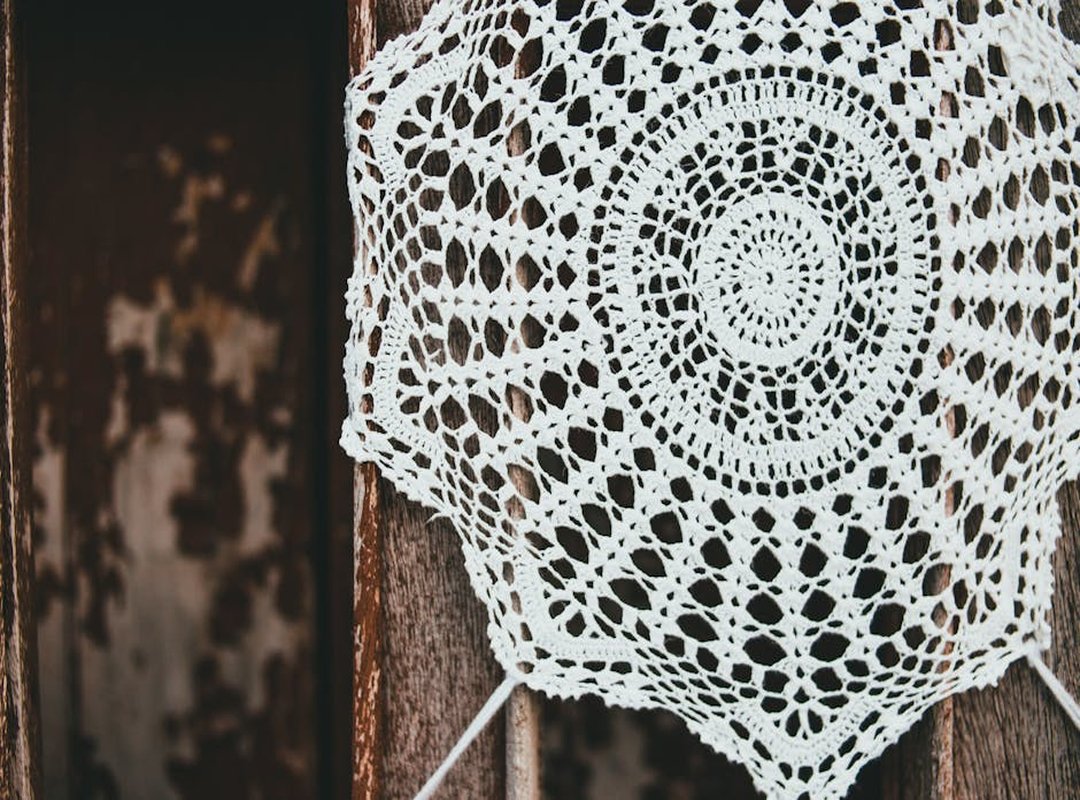
Finding inspiration from nature, art, and other cultural elements is key. I once heard a designer say, “Nature is the best color palette.” It’s true. The colors and patterns you see in a forest or a sunset can spark some amazing ideas.
When it comes to design planning, sketching and planning your design is crucial. You need to think about color placement and stitch types. “Start with a rough sketch and then refine it,” a friend of mine, who’s an embroidery artist, told me. It helps to have a clear vision before you start stitching.
Adding personal touches and unique elements can make your design stand out. One way to do this is by using stich stitch de colorat. It adds a vibrant and unique touch to any project.
Customization is where you can really let your creativity shine. “Make it your own,” another artist advised. Whether it’s a small detail or a bold statement, those personal touches make all the difference.
If you’re into gaming, check out how to dominate multiplayer matches like a pro. It’s a great way to unwind after a day of stitching.
Advanced Techniques for Colorful Stitching
Layering and texture can really bring your stitching to life. By using different stitch lengths and densities, you can create depth and a more dynamic look.
- Use longer stitches for a looser, more flowing effect.
- Shorter, denser stitches add a more compact, textured feel.
Embroidery floss effects are another way to add visual interest. Variegated and metallic threads can make your work stand out.
- Variegated threads have multiple colors, adding a natural gradient.
- Metallic threads give a shiny, luxurious touch.
Mixed media is a fun approach too. Incorporating beads, sequins, and other embellishments can take your stitching to the next level.
- Beads add a three-dimensional element.
- Sequins can catch the light, making your design sparkle.
One technique I love is stich stitch de colorat. It’s a great way to blend colors and create a smooth transition between hues.
- Start with one color and gradually introduce another.
- This method works well for creating gradients and shading.
By experimenting with these techniques, you can create unique and eye-catching designs. Don’t be afraid to mix and match to find what works best for your project.
Tips for Perfecting Your Colorful Stitching Skills
Practice and patience are key, and everyone says it, but let’s be real. Consistent practice isn’t just about the hours you put in; it’s about the quality of those hours.
(And yes, I know, easier said than done.)
Feedback and improvement go hand in hand. But here’s a twist: don’t just seek feedback from peers. Sometimes, they might not have the expertise you need.
Look for mentors or experts who can give you a more critical eye.
Continuous learning is a must. However, don’t get caught up in every new trend. Some trends are just fads.
Stick to what works and what you love. (Trust me, your work will stand out more.)
Stitch de colorat is a great example. It’s all the rage now, but if you’re not into it, don’t force it. Find your own style and perfect it.
That’s how you truly stand out.
Remember, the goal isn’t to be like everyone else. It’s to be the best version of yourself in your craft.
Bringing Your Colorful Stitching Designs to Life
stich stitch de colorat is an art that combines creativity with precision. Understanding color theory helps in choosing the right hues and shades for your designs. Essential tools like embroidery floss, needles, and a hoop are crucial.
Advanced techniques, such as blending colors and using different stitches, can elevate your projects. Practice and experimentation are key to mastering these skills. Continuous learning through tutorials and workshops can also inspire new ideas.
Start your own colorful stitching project today. Share your creations with the community to inspire others.

 Jethron Ollvain writes the kind of player strategy guides content that people actually send to each other. Not because it's flashy or controversial, but because it's the sort of thing where you read it and immediately think of three people who need to see it. Jethron has a talent for identifying the questions that a lot of people have but haven't quite figured out how to articulate yet — and then answering them properly.
They covers a lot of ground: Player Strategy Guides, Game Development Insights, Esports Highlights, and plenty of adjacent territory that doesn't always get treated with the same seriousness. The consistency across all of it is a certain kind of respect for the reader. Jethron doesn't assume people are stupid, and they doesn't assume they know everything either. They writes for someone who is genuinely trying to figure something out — because that's usually who's actually reading. That assumption shapes everything from how they structures an explanation to how much background they includes before getting to the point.
Beyond the practical stuff, there's something in Jethron's writing that reflects a real investment in the subject — not performed enthusiasm, but the kind of sustained interest that produces insight over time. They has been paying attention to player strategy guides long enough that they notices things a more casual observer would miss. That depth shows up in the work in ways that are hard to fake.
Jethron Ollvain writes the kind of player strategy guides content that people actually send to each other. Not because it's flashy or controversial, but because it's the sort of thing where you read it and immediately think of three people who need to see it. Jethron has a talent for identifying the questions that a lot of people have but haven't quite figured out how to articulate yet — and then answering them properly.
They covers a lot of ground: Player Strategy Guides, Game Development Insights, Esports Highlights, and plenty of adjacent territory that doesn't always get treated with the same seriousness. The consistency across all of it is a certain kind of respect for the reader. Jethron doesn't assume people are stupid, and they doesn't assume they know everything either. They writes for someone who is genuinely trying to figure something out — because that's usually who's actually reading. That assumption shapes everything from how they structures an explanation to how much background they includes before getting to the point.
Beyond the practical stuff, there's something in Jethron's writing that reflects a real investment in the subject — not performed enthusiasm, but the kind of sustained interest that produces insight over time. They has been paying attention to player strategy guides long enough that they notices things a more casual observer would miss. That depth shows up in the work in ways that are hard to fake.