

Hardware Leaps Driving Immersion
In 2026, the hardware finally caught up to the imagination.
Next gen SSDs have obliterated load times. We’re talking sub two second game boots, seamless world transitions, and fast travel systems that actually feel fast. The friction of waiting is gone and with it, the excuses for slow pacing and clunky menu screens.
Meanwhile, GPUs are unlocking what used to be reserved for pre rendered cutscenes. Real time ray tracing isn’t a talking point anymore it’s the baseline. Throw in stable 240+ fps gameplay and suddenly, first person shooters and racing sims feel like muscle memory extensions. It’s not just smooth it’s surreal.
The sensory side isn’t far behind. Haptics have gone from subtle vibration to full tactile language. You don’t just feel the recoil you distinguish between raindrops, crunching gravel, or a heartbeat tempo mid boss fight. Spatial audio is no longer a gimmick either. With 3D soundscapes tied to accurate head tracking, players detect enemies, emotion, even silence with precision.
Together, these hardware advances are doing more than making games prettier. They’re raising the ceiling on immersion and breaking the fourth wall from every angle.
AI and Machine Learning Integration
Artificial Intelligence is rapidly reshaping how games are designed and how players engage with them. From intelligent enemies to entire worlds that adapt to individual playstyles, AI is more than just a background tool; it’s powering some of the most exciting innovations in modern gaming.
Smarter NPCs and Adaptive Difficulty
Gone are the days of predictable enemy behavior. AI is introducing truly responsive non player characters (NPCs) that can react dynamically to player actions in real time.
Enemies learn from your strategies and change their tactics
Allies offer more realistic support based on your gameplay
Game difficulty adjusts automatically to player performance, creating personalized challenge curves
This leads to more immersive, less repetitive experiences games evolve with you instead of against a fixed script.
AI Generated Worlds and Narrative Depth
Artificial intelligence isn’t just helping NPCs it’s helping build entire worlds. Procedurally generated environments and quests are becoming more nuanced thanks to machine learning models trained on player behavior and storytelling frameworks.
Environments and maps that change based on in game decisions
Custom quests that adapt to a character’s history or morality
Dialogue trees that reflect past choices and branching outcomes
This dynamic storytelling means every player’s journey feels unique and genuinely responsive to their role in the game.
Real Time Voice Synthesis and Localization
Voice acting quality used to be dependent on budget but AI is lowering the barrier to high caliber sound experiences. Real time voice synthesis can now replicate human emotion and tone with impressive accuracy.
Instantly localized voices across multiple languages
Interactive in game voice responses from NPCs
Scalable dialogue for indie and AAA development alike
Combined, these innovations unlock global experiences and make games more accessible, regardless of language or production scale.
AI in gaming is no longer just a trend it’s a toolkit developers are actively using to make smarter, richer, and more personalized game worlds.
Cloud Gaming and Edge Computing
Cloud gaming isn’t just a buzzword anymore it’s showing up, fully formed, in the hands of players who expect their game to follow them from device to device without so much as a hiccup. Near zero latency streaming is fast becoming the baseline, not the benchmark. Whether you’re on a high end PC, a mid range console, or your phone, the experience is starting to feel almost identical. The lag, the buffering, the dropped sessions they’re fading into history.
Thanks to smarter edge computing and localized data centers, syncing game states across platforms is also frictionless. Pause on your console, pick up on your phone, continue on your laptop. Same progress, same world, in real time. This isn’t just about convenience it’s about expanding what games can be. Persistent worlds, massive multiplayer sessions, and AI driven interactions all thrive when the backend does the heavy lifting.
That’s what server side compute is unlocking. Bigger scopes, better performance, less reliance on your personal device’s horsepower. Developers are thinking bigger because the hardware ceiling just cracked. In 2026, we’re not limited by what’s in your living room we’re plugged into an ecosystem that scales with ambition.
AR, VR & Mixed Reality Innovations
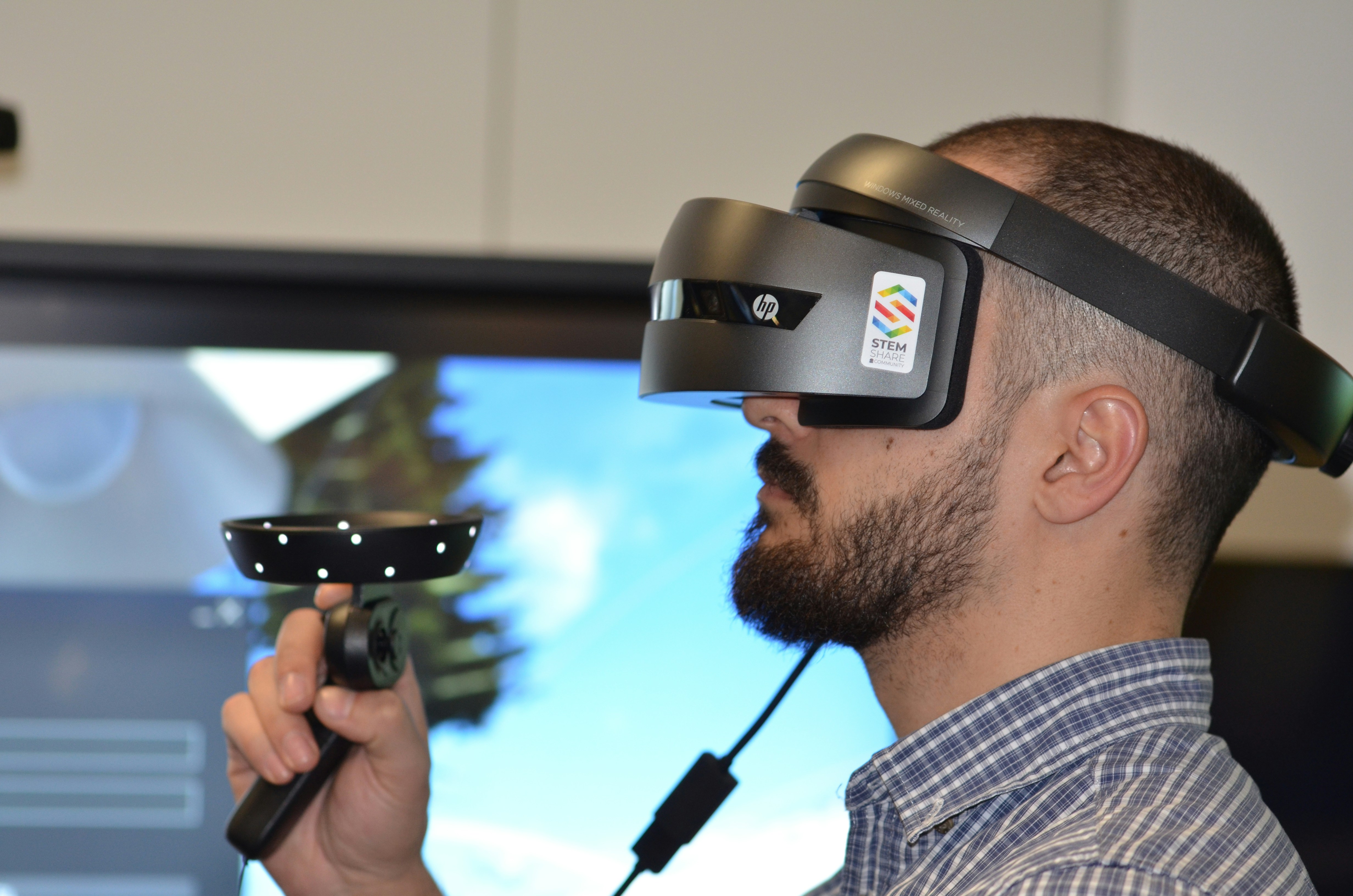
Headsets have finally gotten out of their awkward, bulky adolescence. In 2026, we’re looking at featherweight rigs with 8K per eye resolution and ultra wide fields of view. These aren’t just upgrades they’re essential hardware for pulling players deeper into mixed reality experiences. Whether you’re slicing through samurai duels or drafting virtual architecture, the visual fidelity is stunning and the goggles no longer feel like scuba gear strapped to your face.
Input’s changed, too. Eye tracking and gesture recognition are now standard, not gimmicks. Forget button mapping glance at a weapon, make a quick hand signal, and the game responds. This natural interaction drops the learning curve and keeps players present, hands free and focused. You’re no longer just playing; you’re in the game.
But what really shifts the paradigm is hybrid play. Games no longer ask you to leave the real world they layer onto it. From tabletop style AR battles in your kitchen to co op puzzle solving in your backyard, spatial computing is blending the walls. The screen’s not a window anymore it’s a skin stretched over your environment. And for devs, that opens up a whole new canvas.
The lines between digital and physical? Getting thinner by the day.
Blockchain & Game Asset Ownership
NFTs aren’t dead they’re maturing. In 2026, we’re seeing major studios and indie devs alike bake NFTs into the core of in game economies, not as hype but as function. Players can now own truly unique skins, weapons, or vehicles, tied to their profiles and stored in verified wallets. That sniper rifle you leveled up for 100 hours? It’s not just gear it’s inventory with real world value.
More importantly, the idea of cross title interoperability is picking up steam. One digital asset, multiple games. Buy it once, use it across compatible titles. It’s early, sure. But studios are starting to talk to each other, and frameworks are emerging. The vision? A persistent identity across game worlds where ownership isn’t locked into a single ecosystem.
That said, challenges remain. Standards are spotty. Security is far from bulletproof. Players want trust baked in, not bolted on. Until we clean up trading platforms and unify backend frameworks, expect a bumpy but exciting road ahead. What’s clear is this: digital ownership is becoming a pillar of modern play.
Developer Tools and Engines on Overdrive
Game engines are no longer just about rendering pixels they’re about giving developers (and players) the ability to build entire universes, faster.
Unreal Engine 6 is leading the way with a focus on photorealism, open world streaming, and AI powered NPC systems. Its Nanite 2.0 and Lumen upgrades are razor sharp, giving developers near instant iteration on lighting, geometry, and animation detail. Meanwhile, Unity’s new QuantumTech stack makes real time multiplayer much more responsive and scalable, while also packing in procedural logic that cuts development time without gutting game quality.
Procedural generation isn’t new, but it’s hitting a new tier. Tools are now smart enough to generate organic environments that don’t feel like cookie cutter patterns. Think cities with believable architecture, terrain that responds to weather, characters that change based on player history. It’s speed without looking cheap.
Modular systems are also taking root, giving creators drag and drop components combat loops, dialogue systems, quest branches that can be customized or re skinned by users. This isn’t just good for devs; it fuels more user generated content. Players can now slot in their own stories, tweak mechanics, and build side quests that feel integrated, not bolted on.
The big story? Engines are becoming ecosystems. And the line between developer and player is getting thinner by the update.
New Business Models Changing How We Play
The way games are monetized and distributed is evolving rapidly and in 2026, players are demanding more choice, creators are earning more rewards, and cosmetic content is no longer just an add on.
Subscription Fatigue Is Real
Gamers are increasingly overwhelmed by the number of recurring subscriptions competing for their attention and wallets. From premium platform passes to individual game memberships, the “all you can play” model is facing pushback.
Growing resistance to monthly gaming fees
Players prefer flexible, pick and choose purchasing
Studios are exploring non subscription models that offer lasting value
Rise of A La Carte Gaming
Instead of bundling content, developers are leaning into modular buying experiences:
One time purchases for expansions, story packs, or modes
Pay per play access for exclusive multiplayer events
Micro offers that enhance but don’t gate core gameplay
This empowers players to pay only for what they actually use building loyalty without locking them into long term plans.
Revenue Sharing in User Generated Ecosystems
Games built around modding, level design, or character creation (think platform sandboxes and creative worlds) are testing new economic structures to reward contributors.
In game currencies exchanged for player created items
Royalty systems for top creators in design marketplaces
Transparent analytics for performance based payouts
This model turns gamers into stakeholders.
Digital Collectibles as Standalone Content
Skins, cosmetics, and visual upgrades are evolving beyond add ons. They’re becoming digital merchandise standalone items with emotional and even economic value.
Limited edition skins functioning like real world merchandise drops
Cosmetic items with resale value in a controlled environment
Player driven customization becoming core to identity and community
These assets aren’t just about how games look they’re part of how players express themselves and invest in their experience.
Keep Up With the Latest Shifts
Wondering how this fits into the wider gaming ecosystem?
Check out our deep dive into Breaking Down the Biggest Gaming Announcements of the Month.
Final Signals
The wall between gamer and creator isn’t just cracking it’s crumbling. Thanks to tools baked directly into game engines and platforms, players are shaping worlds as much as they’re exploring them. Mod kits, photogrammetry captures, AI driven character creation these aren’t side features anymore. They’re core loops.
Games are becoming studios. Whether it’s building entire levels in Fortnite Creative, designing narratives in Dreams, or dropping machinima with in game cinematics, creativity is the gameplay. At the same time, deeper immersion tech real time ray tracing, haptics, lifelike avatars means the sensory line between game and lived experience is getting blurry fast.
2026 isn’t stacking better pixels on the old format. It’s evolving the medium. The next wave of titles won’t just be about what you play. It’ll be about what you make, what you share, and the communities you’re able to create inside a game that’s also a platform.
