
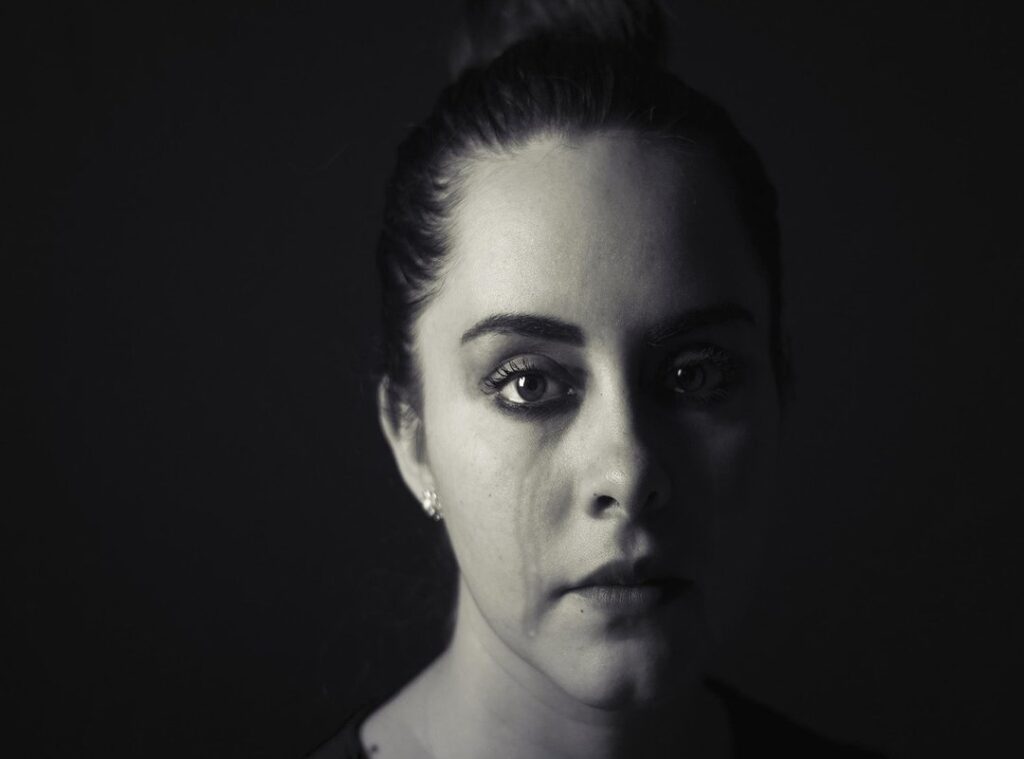
Sometimes you just feel down, and that’s okay. When words fail, art can be a powerful way to express those emotions. Maybe you’re searching for kecewa kartun muslimah sedih menangis because you need a way to process your feelings.
I get it. Art can help when you’re feeling disappointed or sad.
This article is about more than just finding images. It’s about understanding why these illustrations resonate with so many people. We’ll dive into the deeper meaning behind them and how they connect us through shared human experiences.
I promise to give you a clear look at the themes, the importance of this art style, and where to find such images respectfully. This is a space for understanding and connection, not just an image gallery.
Decoding the Emotion: What These Cartoons Truly Represent
Kecewa—that’s disappointment in a universal context. It’s not just sadness; it’s a deeper, more complex feeling of letdown and unmet expectations.
Why do I think the Muslimah cartoon is such an important medium? It’s because it touches on themes of identity, faith, and cultural representation. These cartoons are more than just art; they’re a reflection of a community’s soul.
A single tear, a downward gaze, or hands covering the face can convey so much. Kecewa kartun muslimah sedih menangis captures these subtle yet powerful expressions, giving a voice to emotions that might be hard to express openly in some communities.
Seeing your feelings reflected in art creates a sense of not being alone. It validates your experience and helps you feel understood. That’s the power of visual storytelling.
These images aren’t just pretty pictures. They’re a lifeline for many, offering a way to connect and share their innermost thoughts and feelings.
Common Visual Themes in Art of Disappointment and Sorrow
When you look at art that captures disappointment and sorrow, the color palettes often stand out. Muted tones, grays, and blues dominate. These colors create a somber, reflective mood.
Symbols and settings also play a crucial role. Rain, empty rooms, and cracked mirrors are common. Rain can symbolize cleansing or an overflow of emotions.
Empty rooms might represent loneliness or abandonment. Cracked mirrors? They often reflect a broken self-image.
The hijab in these illustrations is another key element. Artists use its flow and form to either conceal or emphasize emotion. A flowing hijab can suggest freedom or movement, while a tightly wrapped one might indicate constraint or protection.
Body language is incredibly expressive. Slumped shoulders, hidden faces, and clutched hands all communicate deep sorrow without words. These postures make the viewer feel the weight of the character’s emotions.
Take a look at kecewa kartun muslimah sedih menangis. One image might show a quiet, tearful disappointment with a character looking down, her face partially hidden by her hijab. Another could depict overt, heartbreaking crying, with tears streaming down her face and her hands covering her mouth.
Both convey intense emotion, but in different ways.
Why This Niche Art Form Has Become So Popular
Social media platforms like Pinterest, Instagram, and TikTok have played a huge role in popularizing this specific art style. Kecewa kartun muslimah sedih menangis is one such example that’s gained a lot of traction.
These images have become a form of digital communication. People use them as profile pictures or in posts to convey their current emotional state. It’s a way to express feelings without saying a word. kecewa kartun muslimah
For many young Muslim women, these cartoons are one of the few art forms that reflect both their identity and their inner emotional world. Representation matters. Seeing yourself in art can be incredibly validating.
There’s also a sense of community built around this art. Followers and artists connect over shared experiences of struggle and resilience. It’s like finding a group of people who just get it.
The anonymity of a cartoon allows for a safer, more universal expression of personal pain compared to a photograph. You can share your story without revealing too much about yourself.
It’s not just about the art; it’s about the connection and the support. And that’s why it’s so popular.
A Practical Guide to Finding and Using These Images Respectfully
Finding authentic art can be a challenge. But it’s worth the effort.
Have you ever wondered where to start? Try searching for specific hashtags or artist accounts on platforms like Instagram and DeviantArt. You might find something that speaks to you.
NEVER repost art without crediting the creator. It’s not just disrespectful; it’s theft.
How do you credit an artist properly? Include their username and the platform where you found their work. Simple as that.
Using art from wallpaper sites or Pinterest without tracing it back to the original source? That’s a no-go. These are often aggregators, and you might end up using someone’s work without permission.
Consider commissioning a piece from an artist for personal use. This supports creators directly and gives you a unique piece of art. Plus, it feels good to know you’re helping someone out.
KECEWA KARTUN MUSLIMAH SEDIH MENANGIS is a great example of the kind of art you might find. But remember, always credit the artist if you share it.
Personal use, like a phone wallpaper, is different from public use, like a social media post. For personal use, you still need to credit the artist. For public use, make sure you have their explicit permission.
Sound familiar? We’ve all been there. Let’s make sure we do better.
Finding Strength and Solidarity in Shared Feelings
These cartoons are more than just sad drawings; they are a vital form of emotional expression, representation, and connection. The feelings of disappointment and sadness that lead people to this art are valid and universally understood.
kecewa kartun muslimah sedih menangis captures the essence of these emotions, resonating with many. It’s important to support the artists who create this meaningful work by giving them proper credit.
Art has a unique healing power. It can provide comfort in knowing you are not alone in your feelings. Use art not just to express sadness, but also to find a path toward healing and strength.

 Ask Josefa Terrybit how they got into latest gaming news and you'll probably get a longer answer than you expected. The short version: Josefa started doing it, got genuinely hooked, and at some point realized they had accumulated enough hard-won knowledge that it would be a waste not to share it. So they started writing.
What makes Josefa worth reading is that they skips the obvious stuff. Nobody needs another surface-level take on Latest Gaming News, Esports Highlights, Player Strategy Guides. What readers actually want is the nuance — the part that only becomes clear after you've made a few mistakes and figured out why. That's the territory Josefa operates in. The writing is direct, occasionally blunt, and always built around what's actually true rather than what sounds good in an article. They has little patience for filler, which means they's pieces tend to be denser with real information than the average post on the same subject.
Josefa doesn't write to impress anyone. They writes because they has things to say that they genuinely thinks people should hear. That motivation — basic as it sounds — produces something noticeably different from content written for clicks or word count. Readers pick up on it. The comments on Josefa's work tend to reflect that.
Ask Josefa Terrybit how they got into latest gaming news and you'll probably get a longer answer than you expected. The short version: Josefa started doing it, got genuinely hooked, and at some point realized they had accumulated enough hard-won knowledge that it would be a waste not to share it. So they started writing.
What makes Josefa worth reading is that they skips the obvious stuff. Nobody needs another surface-level take on Latest Gaming News, Esports Highlights, Player Strategy Guides. What readers actually want is the nuance — the part that only becomes clear after you've made a few mistakes and figured out why. That's the territory Josefa operates in. The writing is direct, occasionally blunt, and always built around what's actually true rather than what sounds good in an article. They has little patience for filler, which means they's pieces tend to be denser with real information than the average post on the same subject.
Josefa doesn't write to impress anyone. They writes because they has things to say that they genuinely thinks people should hear. That motivation — basic as it sounds — produces something noticeably different from content written for clicks or word count. Readers pick up on it. The comments on Josefa's work tend to reflect that.