
You see the acronym ‘BBC’ pop up online a lot, right? It’s often in contexts that make you wonder what it really means. This article will give you a clear, straightforward explanation of the slang term bbc meaning rude.
We’ll cover not only what it stands for but also its origins and why it’s considered offensive. Understanding this can help you avoid awkward or uncomfortable situations online. After all, knowing modern internet slang is key to navigating online conversations safely and effectively.
The Explicit Slang Definition of ‘BBC’
In internet slang and adult contexts, ‘BBC’ stands for ‘Big Black Cock.’ This term originated within the adult entertainment industry to categorize a specific type of content and performer. When people search for the bbc meaning rude, this is invariably the definition they are looking for.
The term has since moved from niche adult forums into more mainstream internet culture. It now appears in memes, social media comments, and private messages.
Due to its explicit nature, the term is inherently not safe for work (NSFW) and inappropriate for most public conversations. It’s important to be aware of this context when you see or use the acronym online.
- Origin: Adult entertainment industry
- Usage: Internet slang, memes, social media
- Context: NSFW and inappropriate for public discussions
Understanding the origins and usage of such terms can help navigate the often complex and nuanced world of internet language.
Why Is the Term ‘BBC’ Considered Offensive?
The term “BBC” is often used in a way that’s not just explicit but deeply offensive. It stands for “Big Black Cock,” and it’s rooted in racial fetishization and stereotyping.
This term reduces individuals to a single, physical attribute. It’s dehumanizing and perpetuates harmful stereotypes about Black men.
Racial objectification is a big part of why many find it so offensive. Even if the user doesn’t mean to be hurtful, the impact is still there.
The term is also frequently used in online trolling and harassment. People use it to provoke, intimidate, or make others uncomfortable.
While it might be used more neutrally in certain adult entertainment circles, in general public forums, it’s almost always meant to be disruptive or offensive.
The combination of sexual explicitness and racial stereotyping makes the term particularly problematic. It’s not just rude; it’s a form of bbc meaning rude that carries a lot of historical and social baggage. bbc meaning rude
Common Places You’ll Encounter the Slang ‘BBC’
You might run into the term “BBC” in a lot of online spaces. Here are the most common ones:
- Social media comment sections: Platforms like X (formerly Twitter), TikTok, and Instagram often see this term used as spam or trolling.
- Dating apps and unsolicited direct messages: It’s frequently used as a crude proposition or form of harassment.
- Memes and copypasta: The term is repeated ironically or to shock.
- Anonymous forums and imageboards: On sites like Reddit or 4chan, where explicit and edgy language is more common.
It’s important to note that “BBC” in these contexts means something rude.
In polite or professional online communities, you won’t see it much. If you do, it’s a red flag for inappropriate content.
I predict that as platforms crack down on harassment, the use of “BBC” will become more confined to anonymous and less moderated spaces. But it’s still good to be aware of it wherever you go online.
Distinguishing from the Other, Common ‘BBC’
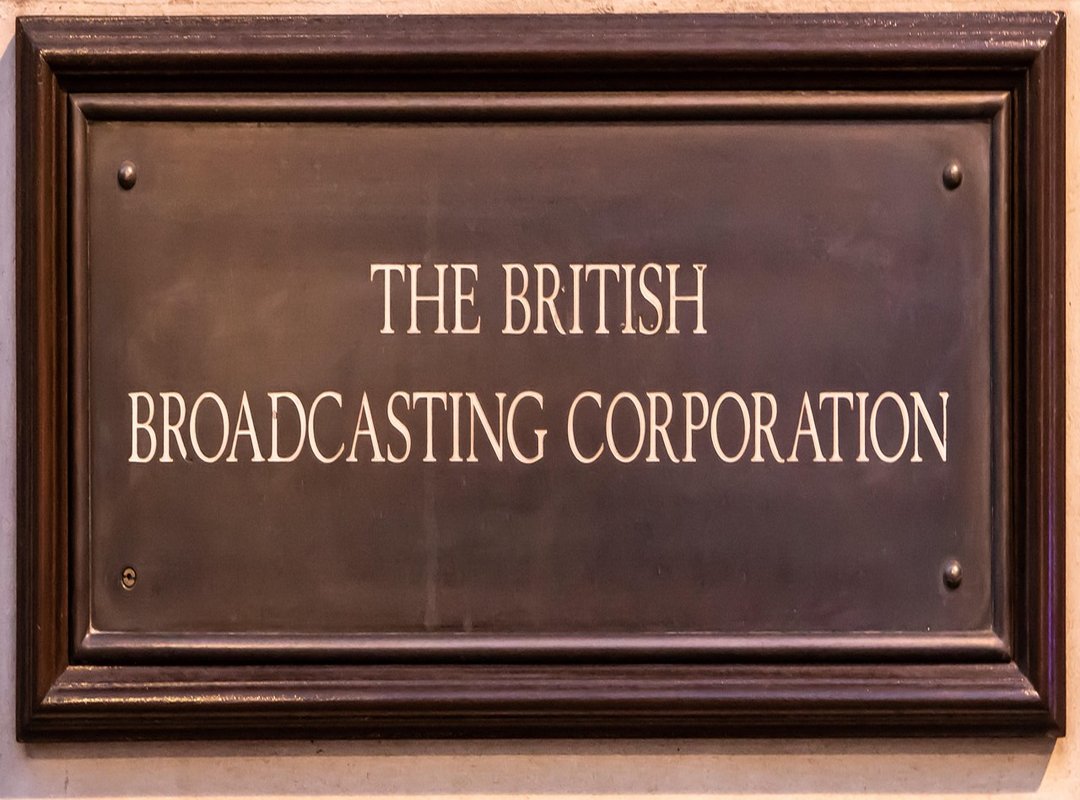
When you see the acronym BBC, the most common and non-rude meaning is the British Broadcasting Corporation.
Context is key in figuring out which BBC is being referenced. For example, if someone says, “I was watching a documentary on the BBC,” they’re talking about the news organization. But if you see a spam comment on a video that just says “BBC,” it might be the slang term.
To easily tell the difference, look at the source, the surrounding conversation, and the platform.
Other potential meanings, though far less common, include things like “Baseball Bat Club” or other organizational acronyms.
In 99% of cases, the distinction between the news organization and the bbc meaning rude is very clear from the context.
Navigating Online Acronyms with Confidence
BBC has a primary slang meaning that is sexually explicit and rooted in racial stereotypes. This is why the term is considered rude and offensive in most contexts outside of specific adult entertainment spheres. Understanding the context is crucial to distinguishing the slang term from its most common legitimate meaning (the British Broadcasting Corporation).
You now have the knowledge to understand the term’s implications and navigate online spaces more awarely. When in doubt about an online acronym, it’s always wise to look it up before using it yourself.

 Trevore Floresanto is the kind of writer who genuinely cannot publish something without checking it twice. Maybe three times. They came to esports highlights through years of hands-on work rather than theory, which means the things they writes about — Esports Highlights, Game Development Insights, Latest Gaming News, among other areas — are things they has actually tested, questioned, and revised opinions on more than once.
That shows in the work. Trevore's pieces tend to go a level deeper than most. Not in a way that becomes unreadable, but in a way that makes you realize you'd been missing something important. They has a habit of finding the detail that everybody else glosses over and making it the center of the story — which sounds simple, but takes a rare combination of curiosity and patience to pull off consistently. The writing never feels rushed. It feels like someone who sat with the subject long enough to actually understand it.
Outside of specific topics, what Trevore cares about most is whether the reader walks away with something useful. Not impressed. Not entertained. Useful. That's a harder bar to clear than it sounds, and they clears it more often than not — which is why readers tend to remember Trevore's articles long after they've forgotten the headline.
Trevore Floresanto is the kind of writer who genuinely cannot publish something without checking it twice. Maybe three times. They came to esports highlights through years of hands-on work rather than theory, which means the things they writes about — Esports Highlights, Game Development Insights, Latest Gaming News, among other areas — are things they has actually tested, questioned, and revised opinions on more than once.
That shows in the work. Trevore's pieces tend to go a level deeper than most. Not in a way that becomes unreadable, but in a way that makes you realize you'd been missing something important. They has a habit of finding the detail that everybody else glosses over and making it the center of the story — which sounds simple, but takes a rare combination of curiosity and patience to pull off consistently. The writing never feels rushed. It feels like someone who sat with the subject long enough to actually understand it.
Outside of specific topics, what Trevore cares about most is whether the reader walks away with something useful. Not impressed. Not entertained. Useful. That's a harder bar to clear than it sounds, and they clears it more often than not — which is why readers tend to remember Trevore's articles long after they've forgotten the headline.