
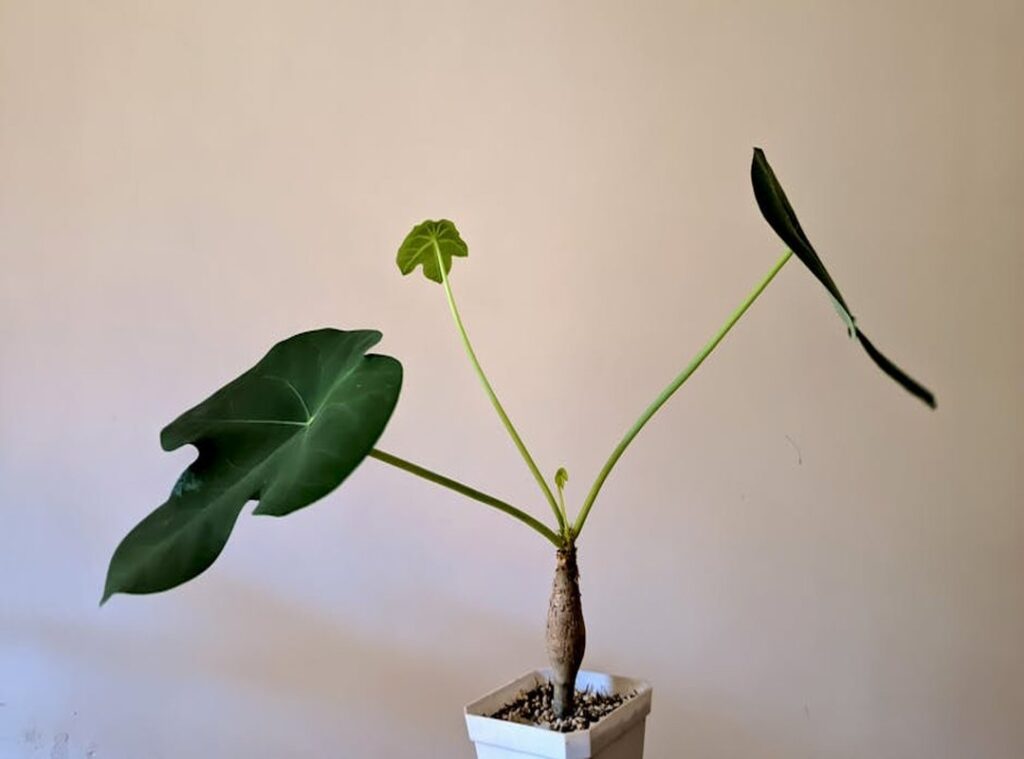
I’ve always been fascinated by the ithana plant. It’s not just another leafy green; it’s got some unique features that set it apart.
You might be wondering, why should you care? Well, if you’re into botany or just curious about plants, this one’s a real standout.
There’s a lot to know about the ithana plant—from how to identify it to how to take care of it. And let’s face it, finding reliable information can be tough.
This article is here to change that, and we’ll cover everything you need to know. Identification, care, and even its uses.
So, if you’re ready to dive in, let’s get started.
Identifying the Ithana Botanical Specimen
Let’s get one thing straight: the Ithana is not your average plant. It’s got a unique look that sets it apart.
The leaves are broad and oval, with a glossy surface that catches the light. The flowers? They’re small and clustered, usually a vibrant shade of purple or pink.
You can’t miss them.
Now, where do you find this beauty? In the wild, the Ithana thrives in dense, humid forests. Think lots of shade and moisture.
If you’re growing it at home, make sure it’s in a spot that mimics those conditions.
Some people confuse the Ithana with other similar-looking plants. But here’s the key: check the underside of the leaves. The Ithana has a distinct pattern of veins that’s different from its cousins.
Honestly, once you know what to look for, it’s pretty easy to spot. Just remember, the leaf shape, flower structure, and that vein pattern are your best bets.
So, next time you’re out in the woods or even at a nursery, keep an eye out. You might just find yourself face-to-face with this fascinating specimen.
Cultivation and Care of the Ithana Specimen
Let’s talk about growing the ithana plant. It’s not as complicated as some folks make it out to be.
First, light, and the ithana needs a lot of it. Think full sun, or if you’re indoors, a spot right next to a south-facing window.
Trust me, this plant loves basking in the sun.
Temperature is key too. Keep it between 65 and 75 degrees Fahrenheit. Too cold?
It’ll wither, and too hot? It’ll burn.
Simple, right?
Humidity is another factor. The ithana likes it on the drier side. If you live in a humid area, you might need to adjust.
A dehumidifier can help, but don’t overdo it.
Now, soil, and use a well-draining mix. You don’t want water sitting around the roots.
Add some perlite for extra drainage, and it makes a big difference.
Fertilization is important, but don’t go overboard. A balanced, slow-release fertilizer every few months should do the trick. Over-fertilizing can harm the plant more than help it.
Pests are a pain, but they’re manageable, and spider mites and aphids love the ithana. Inspect your plant regularly.
If you see any, use a neem oil spray. It’s effective and not too harsh.
Diseases, and root rot is the biggest threat. Make sure your pot has good drainage holes.
If you notice yellowing leaves, check the roots. If they look mushy, repot the plant in fresh, dry soil.
Taking care of the ithana isn’t rocket science. Just pay attention to its needs and keep things simple.
Uses and Benefits of the Ithana Specimen
I’ve learned a lot about the Ithana over the years, and not all of it was easy. Let’s get into it.
Medicinal Properties
The Ithana has some pretty impressive medicinal uses. Traditionally, it’s been used to treat a variety of ailments, from minor aches to more serious conditions. Modern research is starting to back up these claims, showing potential in anti-inflammatory and pain-relief properties.
But here’s the kicker: I once tried using it without proper guidance. Big mistake. It didn’t work as expected, and I ended up with a bad reaction.
Lesson learned: always consult an expert before trying out new natural remedies.
Aesthetic and Decorative Uses
When it comes to aesthetics, the Ithana is a real showstopper. Its vibrant colors and unique shape make it a favorite for landscaping and floral arrangements. I’ve seen it used in everything from wedding bouquets to garden borders.
One time, I planted it in my backyard without considering the climate. It didn’t survive the harsh winter. Now, I know to check the plant’s hardiness zone and care requirements before adding it to my garden.
Conservation and Research
Conservationists are really starting to take notice of the Ithana. It plays a crucial role in maintaining biodiversity and is often used in research to understand plant genetics and adaptation.
I once volunteered for a conservation project where we were supposed to document and protect the Ithana. We underestimated the impact of human activity on its habitat. The experience taught me that conservation efforts need to be more proactive and involve the community.
- Always consult experts before using natural remedies.
- Check the plant’s hardiness zone and care requirements.
- Be proactive and involve the community in conservation efforts.
Understanding the Ithana’s uses and benefits can help you make better decisions, whether you’re looking to improve your health, beautify your space, or contribute to conservation efforts. And hey, if you’re into gaming, you might also want to check out some tips on how to build effective loadouts in fps games.
Case Studies and Success Stories

Let’s dive into some real-world examples. Case studies of successful cultivation and use of the Ithana in various settings, such as gardens, greenhouses, and research facilities, can be really enlightening.
In a garden setting, the Ithana thrives with minimal care. It’s a low-maintenance plant that adds a unique touch to any landscape.
Greenhouses offer a controlled environment, which can boost the Ithana’s growth rate. This is especially useful for those looking to maximize their yield.
Research facilities have used the Ithana for its potential medicinal properties. Scientists are exploring its benefits, and the results so far are promising.
Expert insights from botanists and horticulturists who have worked with the Ithana are invaluable. They share their experiences and tips, giving you a deeper understanding of what works and what doesn’t.
One expert noted, “The Ithana is a resilient plant, but it does require specific conditions to truly flourish.” Another added, “Understanding the soil pH and light exposure is key.”
Comparing these different settings can help you decide where and how to cultivate the Ithana. Gardens are great for natural growth, greenhouses for controlled environments, and research facilities for in-depth study.
So, whether you’re a casual gardener or a serious researcher, there’s a way to make the Ithana work for you.
Common Challenges and Solutions
Growth Issues: Let’s talk about the common problems faced when growing the Ithana, such as stunted growth or poor flowering.
- Stunted Growth: Often due to nutrient deficiencies.
- Poor Flowering: Usually a sign of inadequate light or water.
I’ve seen a lot of folks get frustrated, but it’s not rocket science. You just need to pay attention.
Environmental Factors: Adapting to changing environmental conditions is key.
- Seasonal Variations: Adjust watering and feeding schedules.
- Extreme Weather: Provide shelter or move plants indoors.
The future? I think we’ll see more extreme weather events. So, be ready to adapt quickly.
Speculating here, but I bet we’ll also see more tech solutions like smart plant monitors becoming standard.
Stay flexible and keep an eye on the weather. Your Ithana will thank you.
Mastering the Ithana Botanical Specimen
This guide covers essential aspects of the ithana plant, from identification to care and uses. It provides clear, practical advice on how to identify the plant by its unique features. Proper care instructions, including light, water, and soil requirements, are detailed to ensure healthy growth.
The various uses of the ithana, both traditional and modern, are explored, highlighting its versatility. With this valuable information, readers can successfully grow and utilize the ithana plant in their gardens or for personal use.
Exploring and appreciating the ithana plant not only enriches one’s botanical knowledge but also contributes to its conservation and further research.

 Jethron Ollvain writes the kind of player strategy guides content that people actually send to each other. Not because it's flashy or controversial, but because it's the sort of thing where you read it and immediately think of three people who need to see it. Jethron has a talent for identifying the questions that a lot of people have but haven't quite figured out how to articulate yet — and then answering them properly.
They covers a lot of ground: Player Strategy Guides, Game Development Insights, Esports Highlights, and plenty of adjacent territory that doesn't always get treated with the same seriousness. The consistency across all of it is a certain kind of respect for the reader. Jethron doesn't assume people are stupid, and they doesn't assume they know everything either. They writes for someone who is genuinely trying to figure something out — because that's usually who's actually reading. That assumption shapes everything from how they structures an explanation to how much background they includes before getting to the point.
Beyond the practical stuff, there's something in Jethron's writing that reflects a real investment in the subject — not performed enthusiasm, but the kind of sustained interest that produces insight over time. They has been paying attention to player strategy guides long enough that they notices things a more casual observer would miss. That depth shows up in the work in ways that are hard to fake.
Jethron Ollvain writes the kind of player strategy guides content that people actually send to each other. Not because it's flashy or controversial, but because it's the sort of thing where you read it and immediately think of three people who need to see it. Jethron has a talent for identifying the questions that a lot of people have but haven't quite figured out how to articulate yet — and then answering them properly.
They covers a lot of ground: Player Strategy Guides, Game Development Insights, Esports Highlights, and plenty of adjacent territory that doesn't always get treated with the same seriousness. The consistency across all of it is a certain kind of respect for the reader. Jethron doesn't assume people are stupid, and they doesn't assume they know everything either. They writes for someone who is genuinely trying to figure something out — because that's usually who's actually reading. That assumption shapes everything from how they structures an explanation to how much background they includes before getting to the point.
Beyond the practical stuff, there's something in Jethron's writing that reflects a real investment in the subject — not performed enthusiasm, but the kind of sustained interest that produces insight over time. They has been paying attention to player strategy guides long enough that they notices things a more casual observer would miss. That depth shows up in the work in ways that are hard to fake.