
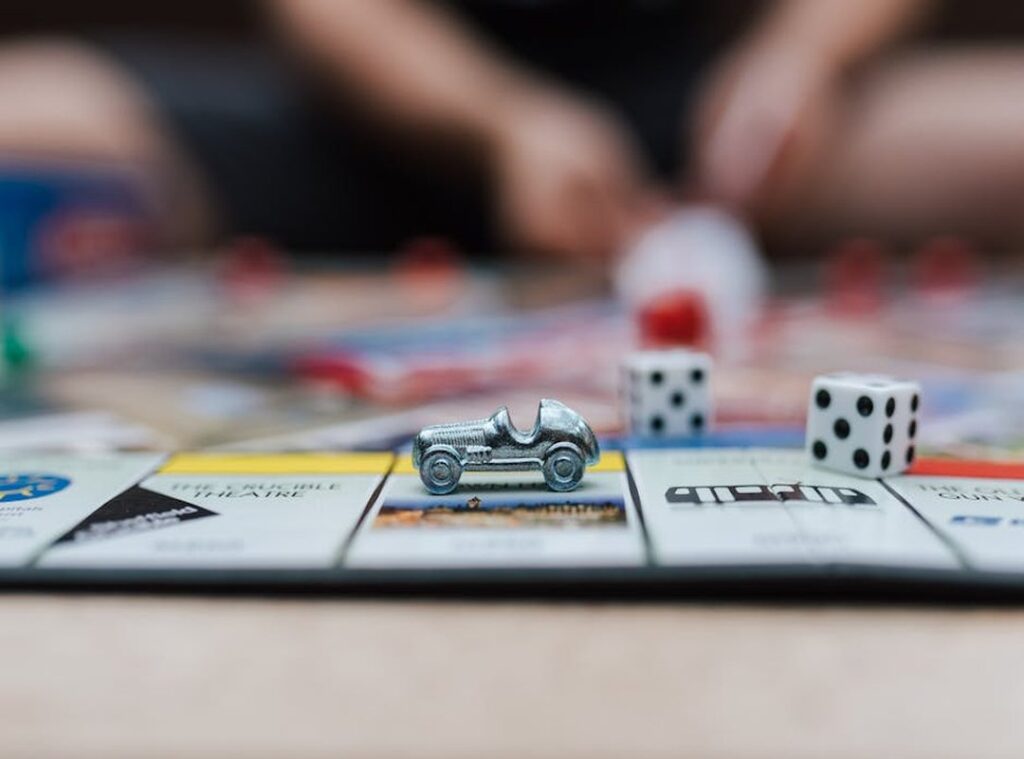
You see that $70+ price tag on Game Popguroll.
And you flinch.
I did too. The first time I saw it, I actually laughed out loud.
Why are these games so expensive?
That’s the question bouncing around your head right now.
Why Game Popguroll so Expensive isn’t just about greed or hype.
It’s about real costs. Real delays. Real people working 80-hour weeks for years.
I’ve sat in those dev rooms. Watched builds crash at 3 a.m. Talked to artists who redid the same character twelve times.
This article breaks down the five actual reasons (not) guesses, not rumors. The ones that show up in budgets and burnout reports.
No fluff. No jargon. Just what it really costs to ship something like this.
You’ll know exactly where your money goes.
The Hidden Army: Development & Production Costs
I’ve watched studios burn through $200 million on one game. Not a movie. Not a TV show.
A game.
That’s why Popguroll costs what it does.
Popguroll isn’t just code and sprites. It’s a 300-person studio working full-time for four years straight. Think about that.
You’re paying salaries for a midsize tech company. No revenue, no profit, just payroll. Before the first copy sells.
Programmers. 3D modelers. Animators. Sound designers.
Writers who craft dialogue trees longer than most novels. QA testers who play the same boss fight 47 times to find that one glitch.
All of them need tools. Unreal Engine licenses cost money. Proprietary engines?
Those cost millions just to build (then) millions more to maintain.
And that engine sits on top of hardware. High-end workstations. Render farms.
Cloud testing infrastructure. None of it is cheap.
Three to five years is normal. Some games take longer. During that time, you’re not making money.
You’re spending it. Fast.
Why Game Popguroll so Expensive? Because you’re funding an army. Not a marketing campaign.
Not a DLC drop. A full-scale creative operation with more moving parts than most film productions.
I once saw a studio hire a full orchestra for three weeks (just) for the score. (They recorded in Budapest. Yes, really.)
You think that’s optional? It’s not. That music is part of the experience.
And the experience is what people pay for.
Pro tip: When you see a $70 price tag, remember. That’s not greed. It’s arithmetic.
Multiply 300 salaries by 48 months. Then subtract zero revenue for the first 47.
Games aren’t made in garages anymore. They’re built in war rooms.
Licensing Sucks the Profit Out of Games
I shipped a licensed game once. It bombed. Not because it was bad.
Because the IP holder took 32% off the top before we even saw a dime.
Intellectual Property licensing means you’re renting someone else’s world. Spider-Man. Naruto.
Star Wars. You don’t own it. You beg for permission (and) pay for it.
Upfront fees can hit seven figures. Then royalties kick in. Every time someone buys the game, a cut goes straight to the licensor.
Not after costs. Not after marketing. Off the gross.
That Popguroll anime tie-in? Yeah. The studio paid $1.8 million just to get the green light.
Then 25% of every sale (forever.)
You think that doesn’t land on your wallet? Try explaining why Why Game Popguroll so Expensive feels like robbery.
Music licenses are worse. Slipping in “Blinding Lights” cost one dev $400,000. For 90 seconds.
In the menu.
You can read more about this in Greenpathassessment popguroll.
They call it “brand combo.” I call it a tax on fun.
I watched a team cut voice acting to afford the Beyoncé sample they thought would sell copies. It didn’t. But the bill still came.
Licensing isn’t plan. It’s surrender.
You want creative control? Don’t rent. Build.
You want margins? Skip the superhero. Make your own hero.
Or at least read the fine print before signing. (Spoiler: there’s always a clause that lets them audit your books and demand more.)
Most devs don’t realize how deep the hole is (until) launch day.
Getting Noticed: Marketing Costs More Than You Think
A game’s marketing budget often matches or beats its development cost. (Yeah, I blinked too.)
That means a $50 million game might spend another $50 million just to get your attention.
You’re paying for cinematic trailers. Not the gameplay, just the sizzle. You’re paying for Instagram ads, YouTube pre-rolls, and those weird 15-second TV spots during sports games.
You’re paying for E3 booths with LED walls and free T-shirts nobody wears twice.
And then there’s the platform tax. Steam, PlayStation Store, Xbox. They all take 30% off every sale.
That $69.99 game? $21 of it vanishes before the developer sees a dime.
Physical copies add more layers. Discs or cartridges cost money to press. Boxes need art, plastic, shrink wrap.
Then you ship them across the country (sometimes) overseas. To Walmart or GameStop. Those stores keep their own cut.
Usually 30 (40%.)
So what’s left? Not much. Especially when you factor in influencer payouts (some) streamers charge $50k per sponsored playthrough.
That’s why Why Game Popguroll so Expensive isn’t just about hype. It’s about math. It’s about who gets paid (and) how many times (before) the game even hits your console.
If you want to see how those costs break down for one specific title, check the Greenpathassessment popguroll report. It maps real numbers from actual release cycles. Not guesses.
Not estimates.
Most people think pricing is arbitrary. It’s not. It’s arithmetic dressed up as magic.
The Game That Never Sleeps: Ongoing Support & Live Services
I launched Popguroll expecting a game.
I got a subscription.
The Game as a Service model isn’t optional anymore. It’s the default. Launch day is just the first checkpoint.
Not the finish line.
You think servers run themselves? They don’t. They cost money.
Every hour. Every patch. Every time someone logs in to play with friends.
There’s a team writing new events right now. Another team hunting bugs you haven’t even triggered yet. And yes.
Someone’s paying their rent with your $70 launch price.
That’s why Why Game Popguroll so Expensive hits different when you realize half that price funds what happens after you click “Play.”
No one talks about the 3 a.m. hotfixes. Or the seasonal art assets scrapped last minute. Or how much it costs to keep matchmaking from melting down during peak hours.
It’s not greed. It’s math. Bad math means broken lobbies.
Good math means you get new maps next month.
If you’ve ever wondered whether your PC can even handle the live service load…
Price Isn’t Greed (It’s) Gravity
I’ve seen the spreadsheets. The overtime. The servers humming at 3 a.m.
Why Game Popguroll so Expensive? Because it takes hundreds of people, years of work, and real money just to keep the lights on.
You think that $70 price tag is arbitrary? It’s not. It’s what’s left after paying artists, coders, voice actors, servers, lawyers, and licensing fees.
That “blockbuster” marketing budget? Yeah (it’s) bigger than your rent.
And those live events, patches, and anti-cheat systems? They cost more after launch.
You’re not overpaying. You’re underestimating the weight behind every title.
So go look at your game library right now.
Not as purchases. As finished buildings. Each one held up by thousands of unseen hours.
Your turn.
Open your library. Pick one game. Read the credits.
Then tell me you still think it’s too much.

 Ask Josefa Terrybit how they got into latest gaming news and you'll probably get a longer answer than you expected. The short version: Josefa started doing it, got genuinely hooked, and at some point realized they had accumulated enough hard-won knowledge that it would be a waste not to share it. So they started writing.
What makes Josefa worth reading is that they skips the obvious stuff. Nobody needs another surface-level take on Latest Gaming News, Esports Highlights, Player Strategy Guides. What readers actually want is the nuance — the part that only becomes clear after you've made a few mistakes and figured out why. That's the territory Josefa operates in. The writing is direct, occasionally blunt, and always built around what's actually true rather than what sounds good in an article. They has little patience for filler, which means they's pieces tend to be denser with real information than the average post on the same subject.
Josefa doesn't write to impress anyone. They writes because they has things to say that they genuinely thinks people should hear. That motivation — basic as it sounds — produces something noticeably different from content written for clicks or word count. Readers pick up on it. The comments on Josefa's work tend to reflect that.
Ask Josefa Terrybit how they got into latest gaming news and you'll probably get a longer answer than you expected. The short version: Josefa started doing it, got genuinely hooked, and at some point realized they had accumulated enough hard-won knowledge that it would be a waste not to share it. So they started writing.
What makes Josefa worth reading is that they skips the obvious stuff. Nobody needs another surface-level take on Latest Gaming News, Esports Highlights, Player Strategy Guides. What readers actually want is the nuance — the part that only becomes clear after you've made a few mistakes and figured out why. That's the territory Josefa operates in. The writing is direct, occasionally blunt, and always built around what's actually true rather than what sounds good in an article. They has little patience for filler, which means they's pieces tend to be denser with real information than the average post on the same subject.
Josefa doesn't write to impress anyone. They writes because they has things to say that they genuinely thinks people should hear. That motivation — basic as it sounds — produces something noticeably different from content written for clicks or word count. Readers pick up on it. The comments on Josefa's work tend to reflect that.