
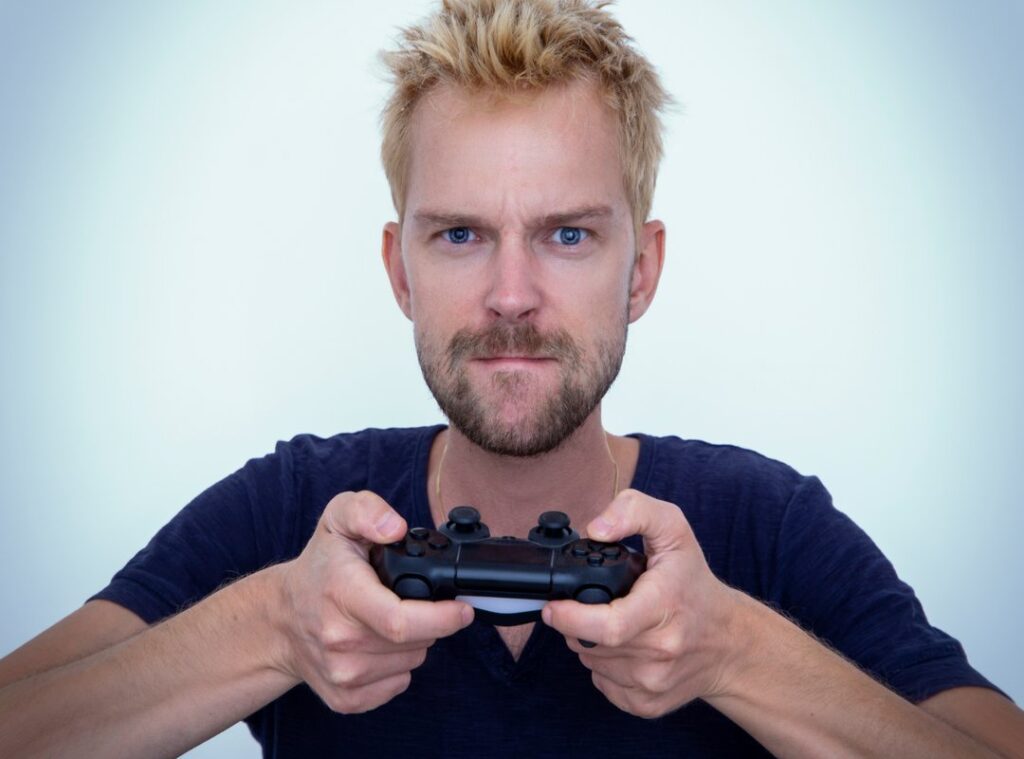
You’ve seen it.
One person rewinding a VOD seventeen times to spot a microsecond input delay. Another yelling at their screen while holding a spoon full of cereal.
Both call themselves gamers. Both show up in the same Discord server. Both get lumped into the same spreadsheet when a brand picks “esports influencers.”
That’s the problem.
This confusion isn’t harmless. It screws up team tryouts. It wastes sponsor budgets.
It makes community managers chase ghosts.
I’ve watched this play out for five years (tracking) grassroots tournaments, digging into stream analytics, talking to players who quit because they were mislabeled as “pro material.”
The Difference Between Gamer and Player Tportesports isn’t academic. It’s operational.
It changes who you recruit. Who you pay. Who you listen to.
This article doesn’t just define the two groups. It shows exactly where mixing them up breaks things (and) how to fix it.
No theory. No fluff.
Just decisions that actually work.
Gamer vs Player: Time, Why, and What You Spend
I’ve watched friends play the same game for years and never once ask what tier a character is.
Others? They’ll spend Sunday morning rewatching pro matches frame by frame. Then practice that one combo for three hours straight.
That’s not just habit. That’s intent.
Enthusiasts drop 20+ hours a week. Not just playing. Theorycrafting, meta analysis, Discord deep dives.
Casual players? Usually under five. They log in to unwind or hang out.
Nothing wrong with that. But it’s not the same thing.
Motivation splits hard here. Enthusiasts chase ranking, recognition, or even coaching others. Casuals want low-stakes fun or story immersion.
One group reads patch notes like scripture. The other doesn’t know what a patch note is.
Spending follows suit. Enthusiasts buy mechanical keyboards, hire coaches, pay tournament fees. Casuals stick to base game cost.
Maybe a skin or two.
A 2023 Newzoo survey found 78% of self-identified enthusiasts track pro leagues weekly. Only 12% of casual players do.
This isn’t pedantic. It’s practical.
When devs ignore this split, they build cluttered UIs. Kill feeds, stat overlays, win probability meters. Right in the middle of a chill co-op session.
That’s why Tportesports matters. It maps those lines clearly.
The Difference Between Gamer and Player Tportesports isn’t academic. It’s where design fails or succeeds.
You either serve both (thoughtfully) — or you alienate one group entirely.
Which group are you building for?
Skill Paths: Enthusiast or Casual?
I used to think more hours = better player.
Turns out that’s flat wrong.
Enthusiasts treat games like a craft. They record every match. Review smoke timings in CS2 demos.
Adjust crosshair placement based on recoil patterns. Use Aim Lab for FPS muscle memory. Join scrims to pressure-test decisions.
Casual players learn differently. They watch a friend’s stream once and copy a smoke. They pick up tips from YouTube comments.
They run deliberate cycles: record → review → adjust.
They try things until it feels right. No metrics, no replays, no goals tracked.
Platforms reward both. Leaderboards and replay libraries? Built for enthusiasts.
Achievement badges and clip-friendly moments? Designed for casuals.
I’ve seen casuals plateau at the same rank for months. Not because they’re bad (but) because trial-and-error has no feedback loop.
Enthusiasts move slower. But they move forward. Consistently.
That’s the real Difference Between Gamer and Player Tportesports.
Pro tip: If you want to climb, skip the “just play more” advice. Start recording one match a week. Watch it back.
Spot one thing to fix next time.
You can read more about this in Tportesports gaming hacks by theportablegamer.
No tools needed. Just honesty and five minutes.
You’ll outpace half the ladder before you know it.
Gamer vs Player: Who Actually Moves the Needle?

I’ve watched this play out in six different games. Enthusiasts run Discord servers. They build custom maps.
They translate patch notes before the devs post them. They write tier lists that get quoted in pro broadcasts.
Casuals do something else entirely. They share a 12-second clip of a weird kill on TikTok. They react live to a streamer’s meltdown.
They boost viewer counts just by clicking “join”.
Enthusiasts shape how a game is played. Casuals decide if it spreads beyond the core.
That’s the real Difference Between Gamer and Player Tportesports.
Take Valorant. Reddit theorycrafters broke down agent cooldowns months before Riot patched them. Their posts steered balance debates (not) marketing slides.
Meanwhile, TikTok clips of Jett triple-kills hit middle-schoolers who’d never heard of “competitive matchmaking.”
Sponsors mix these up all the time. They credit a viral meme to the Discord mod who spent 80 hours building a map. Or they blame low engagement on “casual apathy” when the real issue is missing translation for non-English forums.
It costs money. And time. And trust.
If you’re trying to grow something real, start with who’s doing what (not) who you wish was doing it.
The Tportesports gaming hacks by theportablegamer page nails this distinction with actual examples (not buzzwords).
Stop guessing. Start mapping behavior.
Where Mislabeling Burns Cash
I sold premium coaching to casuals once. It flopped. Hard.
They didn’t want ranked ladders or VOD reviews. They wanted to laugh with friends and win sometimes. Yet our landing page screamed “CLIMB THE RANKS!” like it was a military draft.
That’s not marketing. That’s shouting into a void while ignoring who’s actually listening.
Twitch ads are brutal for this. One message can’t serve both the person grinding Diamond and the one playing League at 2 a.m. with their cousin. “Just play and have fun!” bores enthusiasts. “Climb the ranks!” scares off everyone else.
Matchmaking makes it worse. Forcing casuals into ranked queues? That’s churn on autopilot.
Riot fixed part of this in 2022. They built ARAM-specific queues and cut casual drop-off by 31%. Simple fix.
Obvious need. Took them years.
Sponsorships suffer too. Brands chase viewer count like it’s gospel. But Discord communities run by enthusiasts?
Those drive real conversations. Real sign-ups. Real retention.
Self-ID is garbage. People lie. Or misjudge themselves.
Look at behavior instead: replay uploads, forum posts, tournament signups.
That’s how you stop guessing.
That’s how you stop losing money on the wrong people.
The Difference Between Gamer and Player Tportesports isn’t academic. It’s your revenue split down the middle.
If you’re still segmenting by “gamer” vs “player” without looking at what they do, you’re flying blind.
Go deeper. Use signals. Not surveys.
Tportesports shows exactly how.
Design Your Plan Around Reality, Not Assumptions
I’ve seen too many teams blow budgets on campaigns that miss the mark.
Because they treat “gamers” like one thing.
They’re not.
Difference Between Gamer and Player Tportesports isn’t academic. It’s operational. Intent.
Investment. Feedback loops. Community function.
Not hours played. Not what someone calls themselves.
You already know your last Discord server felt off.
You already suspect your tournament series isn’t converting like it should.
So pick one initiative (right) now. And run it through those four filters. No theory.
Just behavior.
Stop guessing who your audience is (start) observing what they do.

 Ask Josefa Terrybit how they got into latest gaming news and you'll probably get a longer answer than you expected. The short version: Josefa started doing it, got genuinely hooked, and at some point realized they had accumulated enough hard-won knowledge that it would be a waste not to share it. So they started writing.
What makes Josefa worth reading is that they skips the obvious stuff. Nobody needs another surface-level take on Latest Gaming News, Esports Highlights, Player Strategy Guides. What readers actually want is the nuance — the part that only becomes clear after you've made a few mistakes and figured out why. That's the territory Josefa operates in. The writing is direct, occasionally blunt, and always built around what's actually true rather than what sounds good in an article. They has little patience for filler, which means they's pieces tend to be denser with real information than the average post on the same subject.
Josefa doesn't write to impress anyone. They writes because they has things to say that they genuinely thinks people should hear. That motivation — basic as it sounds — produces something noticeably different from content written for clicks or word count. Readers pick up on it. The comments on Josefa's work tend to reflect that.
Ask Josefa Terrybit how they got into latest gaming news and you'll probably get a longer answer than you expected. The short version: Josefa started doing it, got genuinely hooked, and at some point realized they had accumulated enough hard-won knowledge that it would be a waste not to share it. So they started writing.
What makes Josefa worth reading is that they skips the obvious stuff. Nobody needs another surface-level take on Latest Gaming News, Esports Highlights, Player Strategy Guides. What readers actually want is the nuance — the part that only becomes clear after you've made a few mistakes and figured out why. That's the territory Josefa operates in. The writing is direct, occasionally blunt, and always built around what's actually true rather than what sounds good in an article. They has little patience for filler, which means they's pieces tend to be denser with real information than the average post on the same subject.
Josefa doesn't write to impress anyone. They writes because they has things to say that they genuinely thinks people should hear. That motivation — basic as it sounds — produces something noticeably different from content written for clicks or word count. Readers pick up on it. The comments on Josefa's work tend to reflect that.