
Scouting and Roster Lock In
Preparation starts long before the lights hit the stage. For top tier esports teams, the groundwork for championship success begins months even a full year ahead of qualifiers. It’s not hype. It’s structure.
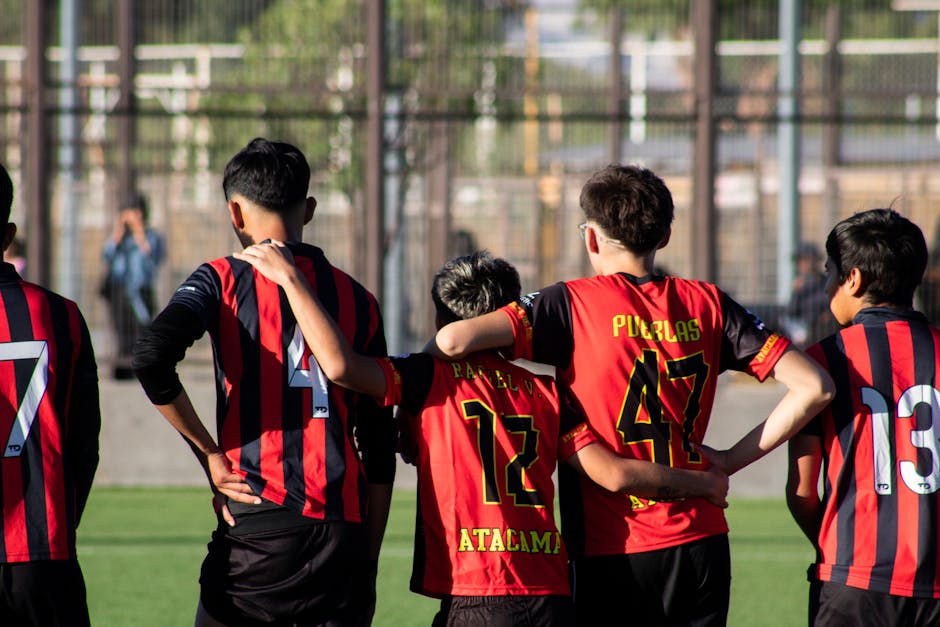
At the core is scouting. Analysts and coaches dive into player performance metrics, dissect synergy potential, and evaluate how well individuals adapt to the evolving meta. Raw skill helps, but adaptability and team fit? Non negotiable. That’s what wins tournaments.
Locking in a roster too late is a gamble professionals don’t take lightly. Every scrim, every bootcamp session counts, and last minute swaps destabilize routines and on stage confidence. Teams that stick with their lineups early and commit to building cohesion often outperform flashier squads that lack chemistry.
Scouting departments have grown into full blown intel operations. From tracking up and comers in tier two leagues to running sims on hypothetical team comps, their job is to remove guesswork. It’s about stacking the deck in your favor before the real games begin. Smart prep isn’t just part of the process it is the process.
Data Driven Scrims and Strategy
At the elite level, guesswork is a luxury no one can afford. Pro teams are leaning harder than ever on hard data heatmaps, match VODs, and detailed breakdowns of opponent habits. It’s not just about identifying where a team likes to fight or rotate, but uncovering deeper patterns: how they draft under pressure, who breaks formation first, what call they always default to when it matters. Every pixel of movement has value.
Scrim blocks have also evolved. Top teams aren’t just burning hours grinding match after match. The best cut quantity for quality, building controlled environments to test specific comps or tactics. It’s like a lab, not a brawl. Reviewing those scrims matters just as much as playing them. One clean VOD session can be worth five aimless games.
Then there’s the patch cycle problem. With metas flipping on a dime, adaptability has become just as important as raw prep. Teams now build flex plans that can shift on short notice, drilling core concepts that survive balance changes. Those who over invest in narrow comps risk getting meta locked and exposed.
On top of it all, there’s a subtle layer of game theory in play. Peak too early and your strats get downloaded. Hide too much and you show up undercooked. The fine line is deciding what to show now, what to save for finals, and how much misdirection is worth the risk. Championship prep isn’t about being perfect it’s about being unreadable and ready at the right time.
Mental Coaching and Pressure Management
When the stakes are highest on the world’s biggest competitive stages even the most mechanically gifted players can underperform if their mindset falters. Esports organizations are increasingly investing in the psychological side of training, transforming mental resilience from an afterthought into a core pillar of preparation.
The Pressure Is Real
Competing on the world stage brings unique challenges:
Enormous crowds and live audiences
Arsenal of expectations from fans and sponsors
Elimination pressure during every match
Without proper mental conditioning, even veteran pros can crack under the weight. Teams now treat mindset preparation as seriously as tactical drills.
Role of Esports Psychologists
Esports psychologists and mental coaches help players:
Build confidence through routine and repetition
Manage anxiety and performance stress
Develop focus exercises for clutch situations
These professionals tailor programs to each player’s needs, identifying performance blockers and teaching techniques like visualization, breathing control, and mindfulness.
Separation Between Practice and Play
Too often, players carry scrim results good or bad into official matches. Elite teams train mental separation to ensure they reset before game day:
Pre game rituals to signal a mindset shift
Distinct routines for off stage and on stage behavior
Creating decompression time outside of scrims
Emotional Endurance Wins Championships
Ultimately, the teams that rise to the occasion in high pressure moments aren’t just technically prepared they’re emotionally grounded. Competitive greatness is as much about mental recovery and focus as it is about macro calls and mechanics.
Supporting players holistically both emotionally and strategically is what sets world champions apart from the rest.
Bootcamps and Global Travel Logistics
For top tier teams, preparation doesn’t just happen online it happens on location. Centralized bootcamps in low ping regions like Korea, Germany, or California are standard fare leading up to world events. These aren’t just spaces to train; they’re controlled environments where teams isolate variables. Same hardware, same schedule, reliable internet, minimal distractions.
The time zone grind is real. Teams arriving early to host regions get a leg up by syncing their sleep and meal routines with match schedules. Nutrition is tight meals that stabilize energy, not spike it. Long gone are the days of living off energy drinks and takeout. Physical wellness is now just as crucial as macros or mechanics. Some teams even travel with physios or personal chefs.
But none of it matters if they burn out before the opening match. Constant travel, irregular sleep, and the pressure cooker of high stakes scrims take their toll. Smart teams bake in recovery days, rotate in bench players for internal scrims, and track stress as actively as screen time. Beer and burnout used to be memes. Now they’re liabilities.
The best prepped teams know: it’s not just about who plays best. It’s who lasts longest, and stays sharp when others fade.
Learning from the Legends
When you talk prep, legacy teams like T1, G2, and Fnatic don’t just show up to the conversation they wrote the manual. These organizations didn’t reach the top by accident. What they’ve mastered is structure: prep windows planned down to the hour, playbooks that evolve week to week, and a culture that treats scrims and strategy the way pro sports teams treat film sessions and weight rooms.
T1, no strangers to international titles, are known for discipline driven prep. They don’t just review VODs they dissect every misplay until the lesson sinks deep into muscle memory. G2 runs a looser ship, but what sets them apart is chaos control. Their training allows improvisation under stress, which shows when games get messy. Fnatic’s edge? Early adoption. They were one of the first to blend sports psychology into regular routines, recognizing tilt management and mindset shifts as productivity tools, not fluff.
Players themselves have moved the needle too. Faker turned solo queue grinding into an art form. Caps pushed the idea that flexibility trumps specialization. Rekkles brought a focus on health and off game discipline to a culture that didn’t always take sleep or nutrition seriously. These players didn’t just train harder they trained smarter, and their teams followed suit.
The blueprint keeps evolving, but what these squads prove is simple: preparation isn’t optional. It’s the backbone of greatness.
More on the players redefining the grind: Esports Players Who Redefined Competitive Gaming.
Tactical Execution Under Bright Lights
Tournament pressure strips away comfort. Suddenly, it’s not just your teammates listening it’s the whole world. So, communication has to be sharp, clean, and fast. Top teams drill callouts until they’re second nature. No fluff, no panic. When the stakes are high, clarity wins.
That’s where the in game leader (IGL) steps in. The IGL has to adapt on the fly reading opponents, managing team tilt, and making calls that can shift the game. It’s like chess under a strobe light. Plans rarely survive contact with the enemy, so teams that can pivot mid match, without stalling or second guessing, hold the edge.
And then there’s the arena. The roar of the crowd, chants, sudden cheers it’s fuel and noise all at once. Pros deal with it differently. Some tune it out behind noise canceling headsets and routines. Others feed off the atmosphere. The mental skill set here isn’t sexy, but it’s essential: block out the chaos, trust the comms, and execute. When everything else is loud, the best teams stay quiet just long enough to strike.
Why 2026 Is Raising the Preparation Bar
The stakes are only getting higher. Prize pools for world championship events have ballooned, and so has global viewership. Competitive victories now echo across continents and so does every misstep. Teams that used to train like athletes now prepare like surgical units. Precision matters.
AI is becoming the quiet MVP behind the scenes. It’s not coaching yet but it’s reshaping how teams analyze games. Pattern recognition at speed. Opponent scouting done in hours, not days. Teams are feeding troves of match data into custom systems designed to tag habits, weaknesses, and low probability win paths. The goal? Sharper picks, optimized rotations, and micro adjusted team fights.
Looking ahead, the prep game is getting more personal and more technical. Biometric tracking is on the horizon, letting coaches tailor training around stress spikes and reaction dips. Inter regional training will get more common, thanks to partnerships and ping optimized facilities. And academy players won’t be warming benches they’ll be getting prepared months in advance with the same analytical resources and coaching support as starting rosters.
In short: the bar’s not just higher. It’s moving. Fast.

 Trevore Floresanto is the kind of writer who genuinely cannot publish something without checking it twice. Maybe three times. They came to esports highlights through years of hands-on work rather than theory, which means the things they writes about — Esports Highlights, Game Development Insights, Latest Gaming News, among other areas — are things they has actually tested, questioned, and revised opinions on more than once.
That shows in the work. Trevore's pieces tend to go a level deeper than most. Not in a way that becomes unreadable, but in a way that makes you realize you'd been missing something important. They has a habit of finding the detail that everybody else glosses over and making it the center of the story — which sounds simple, but takes a rare combination of curiosity and patience to pull off consistently. The writing never feels rushed. It feels like someone who sat with the subject long enough to actually understand it.
Outside of specific topics, what Trevore cares about most is whether the reader walks away with something useful. Not impressed. Not entertained. Useful. That's a harder bar to clear than it sounds, and they clears it more often than not — which is why readers tend to remember Trevore's articles long after they've forgotten the headline.
Trevore Floresanto is the kind of writer who genuinely cannot publish something without checking it twice. Maybe three times. They came to esports highlights through years of hands-on work rather than theory, which means the things they writes about — Esports Highlights, Game Development Insights, Latest Gaming News, among other areas — are things they has actually tested, questioned, and revised opinions on more than once.
That shows in the work. Trevore's pieces tend to go a level deeper than most. Not in a way that becomes unreadable, but in a way that makes you realize you'd been missing something important. They has a habit of finding the detail that everybody else glosses over and making it the center of the story — which sounds simple, but takes a rare combination of curiosity and patience to pull off consistently. The writing never feels rushed. It feels like someone who sat with the subject long enough to actually understand it.
Outside of specific topics, what Trevore cares about most is whether the reader walks away with something useful. Not impressed. Not entertained. Useful. That's a harder bar to clear than it sounds, and they clears it more often than not — which is why readers tend to remember Trevore's articles long after they've forgotten the headline.