

As of [Date], 300 BOB is roughly equal to [Current CLP Value]. But that’s just the tip of the iceberg. Exchange rates are always on the move, and knowing why and how they change can save you a lot of money.
This article isn’t just about giving you a number. It’s about helping you get the best possible rate and avoid hidden fees when converting 300 bolivianos a pesos chilenos.
We’ll dive into the factors that influence exchange rates. You might be surprised by what affects those numbers. We’ll also look at different ways to convert your money.
Some methods are better than others, and we’ll show you why.
And let’s not forget the common mistakes people make. Avoiding these can really make a difference in how much you end up with. So, let’s get started.
Understanding the Boliviano to Chilean Peso Exchange Rate
Let’s start with the basics. The currency codes are BOB for the Bolivian Boliviano and CLP for the Chilean Peso.
An exchange rate is simply the value of one currency in terms of another. It tells you how much of one currency you can get for a unit of another.
The mid-market rate or interbank rate is the ‘real’ exchange rate that banks use. This is the rate at which banks buy and sell currencies among themselves.
Consumer rates, on the other hand, will always be slightly different due to fees. That’s just how it works.
Here’s a simple example: If the rate is 1 BOB = 130 CLP, then 300 BOB would be 300 * 130 = 39,000 CLP. Easy, right?
Rates can vary significantly between different providers. Banks, online services, and currency exchange kiosks all have their own rates. It’s crucial to compare them to get the best deal.
Why? Because even a small difference in the rate can add up, especially if you’re converting larger amounts like 300 bolivianos a pesos chilenos.
Always check a reliable, up-to-date source for the current mid-market rate before making any transaction. This way, you know you’re getting a fair deal.
I’ll be honest, sometimes it can feel overwhelming. But taking a few minutes to compare rates can save you a lot of money in the long run.
What Drives the Value of the Boliviano and the Peso?
Have you ever wondered why exchange rates fluctuate? They’re not random. The economic health and policies of each country play a big role.
For Chile, one of the key factors is the price of copper. It’s a major export, and its value can significantly impact the CLP. When copper prices rise, the peso tends to strengthen.
Simple as that.
Bolivia’s economy, on the other hand, is heavily influenced by natural gas exports. Government economic policies also play a crucial role in determining the BOB’s value. If the government makes smart decisions, it can boost the currency.
Central banks, like the Banco Central de Bolivia and Banco Central de Chile, have a lot of power too. Their decisions on interest rates can make or break the value of their currencies. Higher interest rates usually attract more foreign investment, which can strengthen a currency. 300 bolivianos a pesos chilenos
Inflation is another big factor. Higher inflation in one country can weaken its currency relative to the other. If Bolivia has higher inflation than Chile, the BOB might lose value against the CLP.
So, if you’re looking to convert 300 bolivianos a pesos chilenos, keep in mind that these factors are why the rate you see today might be different from the rate you see next month.
Your Best Options for Exchanging Currency
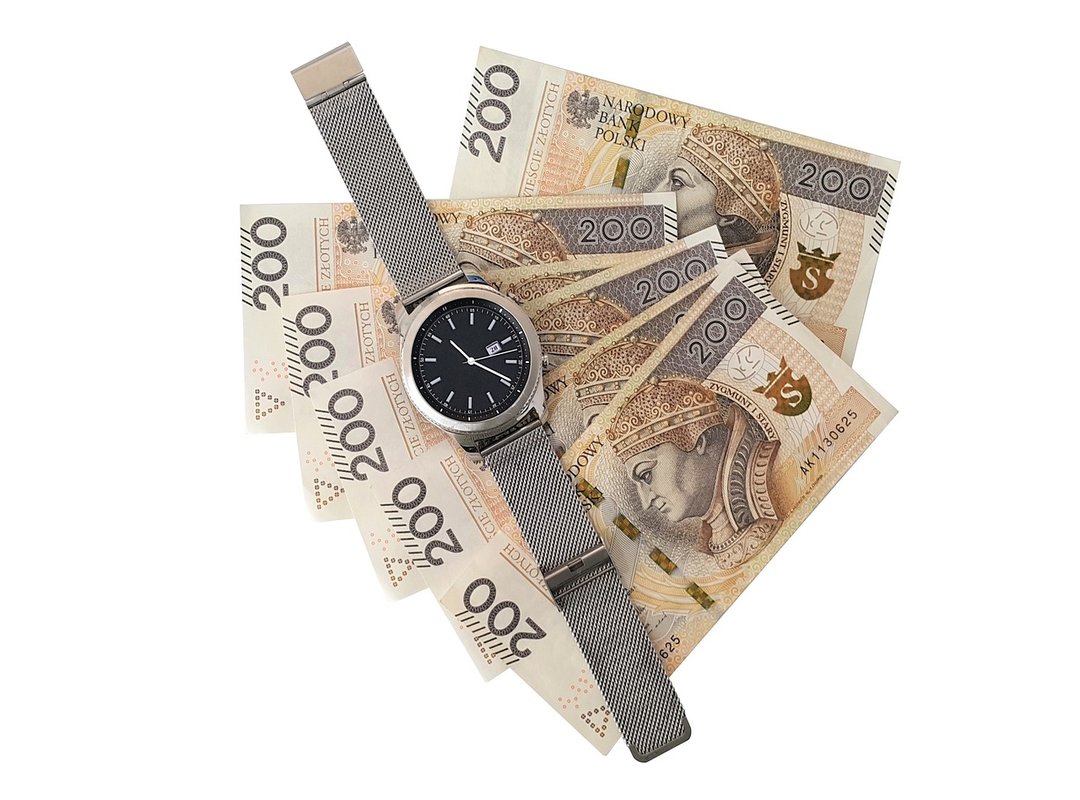
Traditional Banks
When it comes to security, traditional banks are hard to beat. They offer a sense of trust and reliability. But let’s be real, the exchange rates can be pretty lousy.
And the fees, and don’t get me started. It’s like they’re trying to make up for their poor rates by hitting you with extra charges.
Online Money Transfer Services
Services like Wise or Remitly are changing the game. They usually give you better rates and lower fees. Plus, the convenience of doing everything online is a huge plus.
The downside? You might need to set things up first, and transfer times can vary. Still, it’s worth the initial effort.
Physical Currency Exchange Offices (Casas de Cambio)
If you’re traveling and need physical cash, these places can be a lifesaver. But here’s the catch: the rates, especially at airports, are often terrible. It’s like they know you’re in a bind and take advantage of it.
If you must use one, try to find a reputable office away from tourist areas.
For most non-cash transactions, online services typically offer the best value. They’re fast, convenient, and generally more cost-effective. For cash, it’s best to find a reputable casas de cambio away from tourist hubs.
One thing I’ve noticed that others don’t often mention: if you’re converting 300 bolivianos a pesos chilenos, using an online service can save you a lot of hassle and money. Just make sure to check the rates and fees beforehand.
Frequently Asked Questions About BOB to CLP Conversion
What is the best time to exchange money? It’s impossible to perfectly time the market, so the best time is when you need the money. Just compare current rates and go for it.
Are there limits on how much I can convert? Both countries and individual services may have transaction limits. Always check with your provider to know the specifics.
Can I use Bolivianos in Chile, and no, you cannot. You must convert BOB to CLP to make purchases in Chile.
It’s a simple step but an important one.
How can I avoid hidden fees? Always ask for the final amount the recipient will get after all fees and the exchange rate margin are applied. This way, you won’t be surprised by extra charges.
For example, if you’re converting 300 bolivianos a pesos chilenos, make sure to ask about the total cost. This helps you plan your budget better and avoid any unexpected expenses.
Getting the Most Value for Your 300 Bolivianos
Converting 300 bolivianos a pesos chilenos is straightforward, but the final amount you receive depends heavily on the service you choose. Ignoring fees and using the first available option, like an airport kiosk, can cost you a significant portion of your money. Always check the current mid-market rate first.
Then, compare at least two different conversion services to see which one offers a rate closest to it with the lowest fees. Before you convert, take two minutes to compare. It’s the simplest way to ensure you’re not leaving money on the table.

 Trevore Floresanto is the kind of writer who genuinely cannot publish something without checking it twice. Maybe three times. They came to esports highlights through years of hands-on work rather than theory, which means the things they writes about — Esports Highlights, Game Development Insights, Latest Gaming News, among other areas — are things they has actually tested, questioned, and revised opinions on more than once.
That shows in the work. Trevore's pieces tend to go a level deeper than most. Not in a way that becomes unreadable, but in a way that makes you realize you'd been missing something important. They has a habit of finding the detail that everybody else glosses over and making it the center of the story — which sounds simple, but takes a rare combination of curiosity and patience to pull off consistently. The writing never feels rushed. It feels like someone who sat with the subject long enough to actually understand it.
Outside of specific topics, what Trevore cares about most is whether the reader walks away with something useful. Not impressed. Not entertained. Useful. That's a harder bar to clear than it sounds, and they clears it more often than not — which is why readers tend to remember Trevore's articles long after they've forgotten the headline.
Trevore Floresanto is the kind of writer who genuinely cannot publish something without checking it twice. Maybe three times. They came to esports highlights through years of hands-on work rather than theory, which means the things they writes about — Esports Highlights, Game Development Insights, Latest Gaming News, among other areas — are things they has actually tested, questioned, and revised opinions on more than once.
That shows in the work. Trevore's pieces tend to go a level deeper than most. Not in a way that becomes unreadable, but in a way that makes you realize you'd been missing something important. They has a habit of finding the detail that everybody else glosses over and making it the center of the story — which sounds simple, but takes a rare combination of curiosity and patience to pull off consistently. The writing never feels rushed. It feels like someone who sat with the subject long enough to actually understand it.
Outside of specific topics, what Trevore cares about most is whether the reader walks away with something useful. Not impressed. Not entertained. Useful. That's a harder bar to clear than it sounds, and they clears it more often than not — which is why readers tend to remember Trevore's articles long after they've forgotten the headline.